
Plants
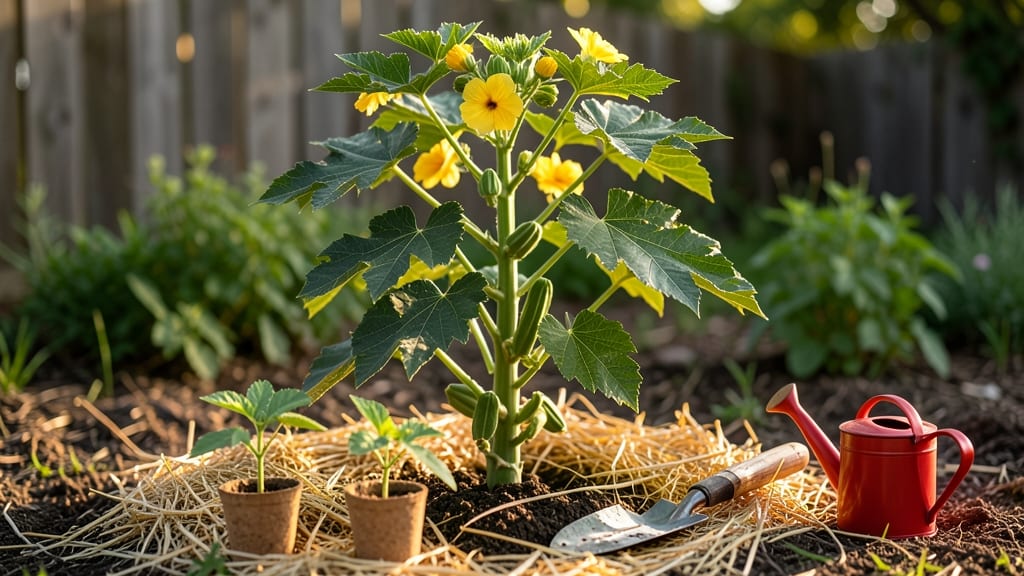
Timing your okra planting in Zone 8b could mean the difference between a thriving garden and a sad, wilted disappointment—especially when those summer heatwaves roll in.
This fast-growing, heat-loving veggie needs the right conditions to flourish, and getting it wrong can leave you with sparse harvests or even no pods at all.
If you’ve ever wondered why your okra plants bolt too quickly or struggle in the heat, the answer lies in understanding Zone 8b’s unique climate.
Unlike cooler zones, here you’ve got two chances to plant: once in spring after the last frost (usually around mid-March) and again in late summer for a fall harvest. But there’s a catch—okra hates cool soil, so rushing it too early can stall growth.
I’ve tested the best strategies for heat-resistant okra varieties like ‘Clemson Spineless’ and ‘Emerald,’ and the results speak for themselves: precise timing, soil prep, and a few pro tricks can turn your garden into a pod-producing powerhouse.
Let’s break down exactly when, where, and how to plant for maximum success—no guesswork required.
From avoiding bolting to managing summer heat stress, you’ll learn the exact tricks that work in Zone 8b. Whether you’re a seasoned gardener or just starting, these insights will help you harvest tender, flavorful okra all season long—without the frustration.
Optimal planting dates for okra in Zone 8b: heat tolerance breakdown
Okra is a heat-loving powerhouse that thrives in Zone 8b's long, hot summers—but getting the timing wrong can turn your garden into a sad, wilted mess. The key is planting when soil temperatures hit 70°F+ and nighttime temps stay above 55°F.
In Zone 8b, that means waiting until mid-to-late March for spring plantings, or late July-August for a fall harvest.
Zone 8b's 240-day frost-free window gives you two prime planting opportunities: spring and fall. Spring plantings should happen 2-3 weeks after your last frost date (typically around February 15), while fall plantings should start 90-100 days before your first frost (around November 15).
Miss these windows, and you risk bolting (premature flowering) or stunted growth from cool soils.
Not all okra varieties handle Zone 8b's heat equally. 'Clemson Spineless' and 'Emerald' are top picks for their heat tolerance and fast maturity (50-60 days). These varieties can handle 90°F+ temps without wilting, making them ideal for Zone 8b's summer heatwaves.
Avoid southern varieties like 'Red Burgundy' unless you're prepared for extra shade and watering.
Here’s the golden rule: Wait until soil is warm to the touch before planting. Stick your finger 2 inches deep—if it feels like a hot bath, your okra is ready.
Cold soil slows germination, leading to patchy, slow starts that pests love. Pro tip: Use a soil thermometer for precision—aim for 75°F+ for best results.
Zone 8b gardeners often make the mistake of planting too early, only to see their okra bolt or yellow at the leaves when nighttime temps dip. To avoid this, stagger your plantings: Sow half your seeds in mid-March and the other half 2 weeks later.
This ensures a continuous harvest from June through October.
For fall plantings, aim to get seeds in the ground by early August. Okra grows surprisingly fast in Zone 8b's warm fall weather, and you can still harvest tender pods into October or November if you act quickly.
Just be prepared to protect seedlings with row covers if a late heatwave rolls in.
One trick I swear by is pre-warming the soil before planting. Lay down black plastic mulch 1-2 weeks before sowing to raise soil temps by 5-10°F. This jumpstarts germination and gives your okra a head start in the race against Zone 8b's intense summer sun.
Just remove the mulch once seedlings emerge to prevent overheating.
Let’s talk about heat-resistant varieties that perform best in Zone 8b. While 'Clemson Spineless' is a crowd-pleaser, don’t overlook 'Emerald' (great for container gardens) or 'Jinchu' (a Chinese heirloom with extra-long pods).
All three handle 90°F+ days like champs, but 'Jinchu' has the added bonus of drought tolerance, which is a lifesaver during Zone 8b’s summer droughts.
Here’s what happens if you plant at the wrong time: Early plantings (before March 15) risk cold soil and slow germination, while late plantings (after April 15) may not mature before summer heat stress sets in.
The sweet spot is March 15-April 1 for spring, with July 15-August 1 for fall.
To summarize, timing is everything for okra in Zone 8b. Plant too early, and you’ll deal with bolting and poor germination. Plant too late, and you’ll miss the harvest window.
But nail it, and you’ll be feasting on fresh, tender pods from June through November. Let’s dive into the exact dates and tricks to make this happen.
🌱 Okra Planting Timeline for Zone 8b
| Stage | Action | Soil Temp | Notes | ||||||||||||
|---|---|---|---|---|---|---|---|---|---|---|---|---|---|---|---|
| Prep Soil | Add compost, test pH (6.0-6.8) | 55°F+ | Use black plastic mulch to warm soil | ||||||||||||
| Spring Planting | Sow seeds March 15-April 1 | 70°F+ | Stagger plantings 2 weeks apart | ||||||||||||
| Germination | 5-10 days (warmer soil = faster) | 75°F+ | Keep soil moist, not soggy | ||||||||||||
| Thin Seedlings | 12-18 inches apart | 80°F+ | Use scissors to avoid disturbing roots |
| Planting Window | Soil Temp | Best Varieties | Harvest Time |
|---|---|---|---|
| Spring: Mid-March to early April | 65°F+ | 'Clemson Spineless', 'Emerald' | June-September |
| Fall: Late July to early August | 70°F+ | 'Burgundy', 'Jinang Green' | October-November |
Adjust your timing if your Zone 8b area experiences microclimates. Coastal regions may have cooler soils in spring, while inland areas can hit 90°F+ by May. For extra insurance, use black plastic mulch to warm soil faster or plant in raised beds for better heat retention.
If you’re in a higher-elevation part of Zone 8b (e.g., near mountains), wait until late April to avoid unpredictable cold snaps. Monitor local weather forecasts for heatwave warnings—okra can handle heat but may need shade cloth (30-50%) if temps exceed 100°F for prolonged periods.
For a continuous harvest, stagger plantings every 2-3 weeks in spring. This ensures fresh pods throughout the summer while older plants mature for fall harvests. Just remember: okra grows fast—once established, it can reach harvest size in just 50-60 days!
☀️