
Plants
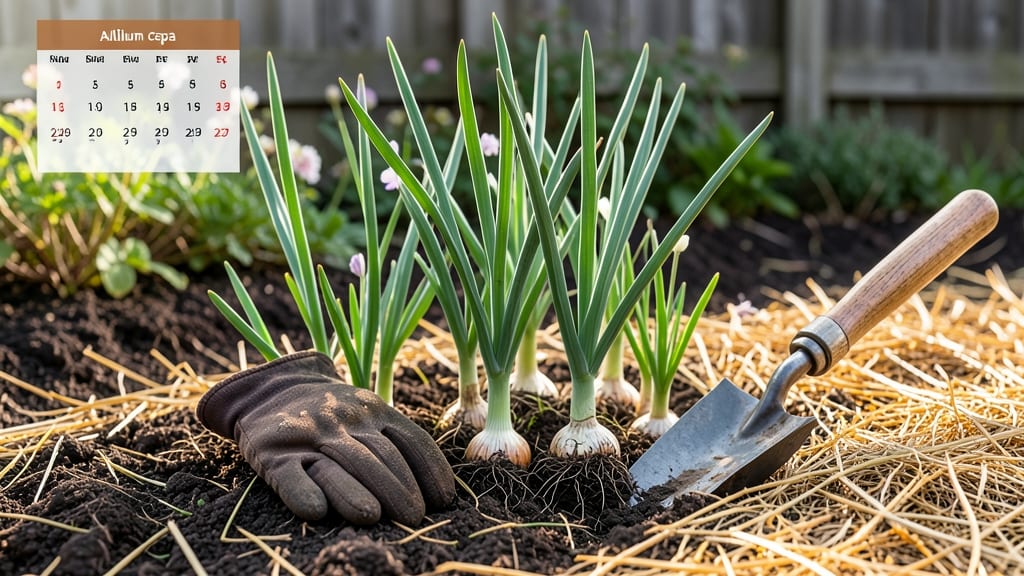
If you’ve ever planted onions in Zone 4 only to watch them bolt in the heat or rot from late frosts, you’re not alone.
The key to a reliable harvest lies in timing—specifically, knowing exactly when to plant your 🧅 for bulbs that store as well as they flavor your dishes.
Zone 4’s short growing season means getting onions in the ground at the right moment can mean the difference between a bumper crop and a disappointing flop. Whether you’re working with sets, seeds, or transplants, the 6-8 week window before summer heat sets in is your best shot at success.
I’ve tested the best strategies over years of gardening in cold climates, and what I’m about to share will help you avoid common pitfalls. From adjusting for unpredictable spring weather to choosing the right varieties, you’ll learn how to make the most of Zone 4’s growing conditions.
Ready to grow onions that rival the grocery store—and last all winter? Let’s dive into the exact frost-date rules that’ll give you the strongest starts possible.
Zone 4 onion planting timeline: exact frost-date rules for success
In Zone 4, where winters linger and springs can be unpredictable, timing your onion planting correctly is the difference between a bountiful harvest and a wasted effort.
Onions need a 6-8 week growing window before summer heat stress kicks in, so planting too early risks frost damage, while planting too late means small, pungent bulbs. Let’s break down the exact frost-date rules for planting onion sets, seeds, and transplants in your cold climate.
Most Zone 4 gardeners focus on two key planting windows: early spring (for harvest in early summer) and late summer (for storage onions). The last frost date in Zone 4 typically falls around May 15, but this can vary by 1-2 weeks depending on your specific location.
For reliable results, use your local frost calendar—not just the USDA zone average—as your guide.
Here’s the golden rule: Plant onion sets or seeds 4-6 weeks before your last frost date. This gives them enough time to establish roots and start growing before the soil warms up. For example, if your last frost is May 15, aim to plant by April 1-15.
This timing works for both spring onions and storage onions, as long as you choose the right variety for your region.
If you’re planting onion seeds, start them indoors 8-10 weeks before your last frost date. Seedlings need to be 3-4 inches tall and hardened off before transplanting outdoors. This early start is crucial because onion seeds germinate slowly in cold soil and take 10-14 days to sprout.
For Zone 4 gardeners, this often means starting seeds in February for a spring harvest.
For late-summer planting, aim to get seeds or sets in the ground 8-10 weeks before your first frost (usually around July 15-August 15). This method is perfect for storage onions, which need cool fall temperatures to develop sweet, firm bulbs.
Just be sure to harvest before the ground freezes—typically by October 1 in most of Zone 4.
One common mistake in Zone 4 is planting onions too early, which can lead to bolting (flowering) or rot from cold, wet soil. To avoid this, wait until the soil temperature reaches at least 40°F and the ground is workable.
Use a soil thermometer if you’re unsure—it’s a small investment for big results.
Pro tip: If your spring is especially late or unpredictable, consider using frost cloth to protect young plants. This gives you a 2-week buffer to delay planting without risking frost damage. Just remove the cloth once the danger of frost has passed and the soil warms up.
Finally, remember that microclimates play a huge role in Zone 4. A south-facing bed warms up faster than a north-facing one, and low-lying areas may stay cold longer. Pay attention to where frost lingers in your garden, and adjust your planting dates accordingly.
With these frost-date rules in hand, you’re ready to grow onions that rival the best from the grocery store—sweet, crisp, and homegrown.
How to adjust onion planting for Zone 4’s unpredictable spring weather
Zone 4’s unpredictable spring weather can throw off even the best-laid onion planting plans. Late frosts, chilly soil, and fluctuating temperatures often delay ideal planting windows. The key is flexibility—adjusting your approach based on real-time conditions rather than relying solely on average frost dates.
Start by monitoring soil temperatures with a thermometer. Onions thrive when soil reaches 40°F (4°C) or warmer. If your soil stays cold, consider using black plastic mulch or straw blankets to warm it faster. This can shave weeks off your planting timeline, especially in cooler microclimates.
For extra protection, use frost cloth when planting early. This lightweight fabric shields young onion sets from 20°F (-7°C) temperatures, buying you time until soil warms. I’ve used it successfully in my Zone 4 garden to extend the planting window by 2-3 weeks without risking frost damage.
Here’s a pro tip: Plant a backup batch of onion sets 2 weeks after your initial planting. This staggered approach ensures at least one healthy harvest, even if the first planting gets hit by a late freeze.
Choose short-day varieties like ‘Texas Early White’ for this insurance planting—they mature faster in cool conditions.
Watch for soil moisture fluctuations too. Onions need consistent moisture to form bulbs, but soggy soil can rot them. If spring rains delay planting, mix sand or compost into your beds to improve drainage. This prevents waterlogged roots while keeping soil workable for planting.
Finally, keep an eye on daylength cues. Onions are sensitive to daylight hours, and Zone 4’s longer days in May can trigger premature bolting (flowering). If your plants start sending up seed stalks too soon, harvest the green onions instead of waiting for bulbs—a great backup plan!
With these adjustments, you’ll turn Zone 4’s unreliable spring into an onion-growing advantage. The secret? Staying adaptable and ready to pivot when Mother Nature throws curveballs. 🌱🌡️
🌱 5 Key Adjustments for Zone 4 Onion Planting
- 1. Soil Warm-Up: Use black plastic mulch to raise soil temps to 40°F+ faster.
- 2. Frost Protection: Cover sets with frost cloth for 20°F (-7°C) protection.
- 3. Staggered Planting: Sow backup sets 2 weeks later for insurance harvests.
- 4. Drainage Boost: Amend heavy soil with sand/compost to prevent rot.
- 5. Daylength Watch: Harvest greens early if bolting threatens bulb formation.