
Plants
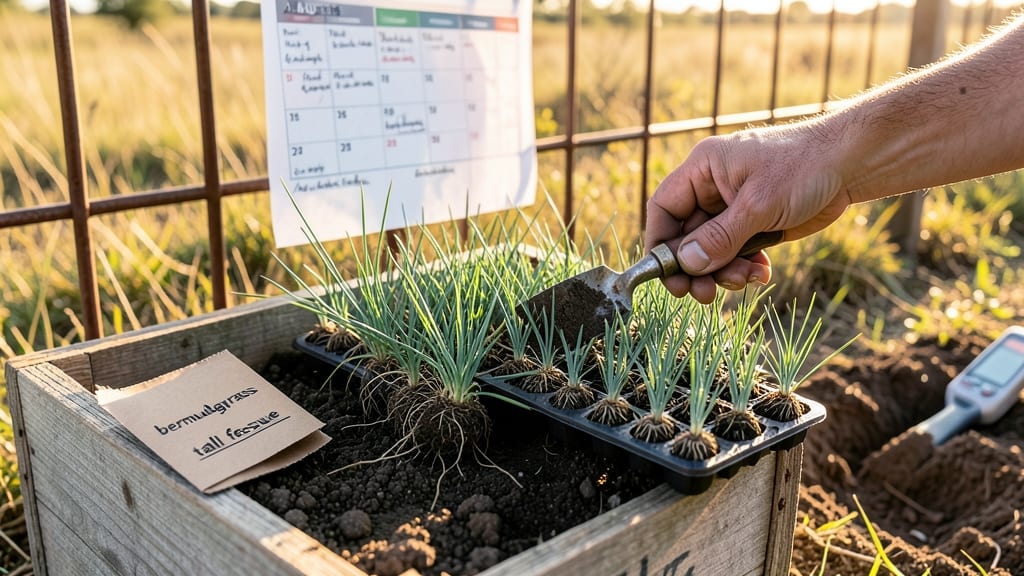
If you're planting pasture grass in Texas, timing is the key to avoiding frost damage or summer heat stress—and getting that lush, fast-growing forage your livestock needs.
The best windows are late summer to early fall or early spring, but Texas' diverse zones (8a-10b) mean your exact schedule depends on where you live.
North Texas ranchers need to plant by March to avoid late frosts, while South Texas growers can wait until May. The goal? Seed germination happens fastest when soil temps drop below 85°F, so summer planting is a gamble unless you're in the Deep South.
I’ll break down the exact frost-free windows by zone, plus the fastest varieties for your region. Whether you're seeding Bermuda in the Panhandle or Coastal Bermuda near the Gulf, these tips will help you skip the common mistakes and get your pasture established right.
Ready to plant? Let’s dive into the ideal months for your part of Texas—and how to prep your soil for maximum success.
Texas pasture grass planting zones and frost-free dates by month
Texas’ vast size means frost-free dates vary dramatically—from North Texas’ late February to South Texas’ early January. Planting outside these windows risks frost damage or heat stress, so knowing your USDA zone (8a-10b) is critical.
Below, I’ll break down the ideal planting months for each region to ensure fast establishment and year-round forage production.
For North Texas (Zones 8a-8b), like the Panhandle and DFW, aim for March–April plantings. This avoids late frost risks (Feb 15) while giving seeds time to germinate before summer heat peaks.
In Central Texas (Zones 8a-9a), such as Austin and San Antonio, late February–early March is ideal—just after the average last frost (Feb 10–15).
South Texas (Zones 9b-10b), including the Rio Grande Valley, has a longer growing season. Here, late summer to early fall (August–October) is perfect—avoiding the oppressive June–July heat while capitalizing on fall rains. Even in these warmer zones, soil temps above 85°F can stunt germination, so timing matters.
| Region | USDA Zone | Last Frost Date | Best Planting Window | Key Consideration |
|---|---|---|---|---|
| North Texas | 8a–8b | Feb 15 | March–April | Avoid late frosts; soil temps < 85°F |
| Central Texas | 8a–9a | Feb 10–15 | Late Feb–Early March | Balanced frost risk and heat |
| South Texas | 9b–10b | Jan 15 | August–October | Escape summer heat; use fall rains |
| East Texas | 8a–9a | Feb 1–15 | March–April | Humidity-friendly; monitor fungal risks |
Pro tip: Use a soil thermometer to confirm temps are below 85°F before planting. In North Texas, I’ve seen seeds fail to germinate when planted in late April because the soil was still too warm. Patience pays off—wait for the perfect window to maximize germination rates.
For Central Texas, where unpredictable spring rains can delay planting, I recommend preparing seedbeds in February and planting as soon as the soil is workable.
This gives seeds a head start before summer’s brutal heat sets in. South Texas growers should leverage hurricane season (June–Nov) for natural irrigation but avoid planting during direct storm impacts.
One common mistake? Planting Bermuda grass in fall in North Texas. While it’s drought-tolerant, cool-season frosts can kill it before it establishes. Stick to warm-season grasses like Bahiagrass in fall or cool-season types like Tall Fescue in spring. Match the grass to the season for best results.
If you’re in transition zones (8a–9a), like Waco or College Station, consider double-cropping: plant warm-season grasses in spring and cool-season grasses in fall for year-round forage. Just ensure 6–8 weeks between plantings to avoid competition. Rotation grazing also helps maintain soil health and grass vigor.
Finally, always check local AgriLife Extension reports for real-time frost alerts. In 2021, a late April frost in North Texas wiped out newly planted Bermuda grass fields. Staying ahead of weather forecasts can save you thousands in replanting costs. Timing truly is everything in Texas pasture management.
Best pasture grass varieties for Texas and their ideal planting timing
Texas's diverse climate demands pasture grass varieties that thrive in both early spring and late summer plantings. The wrong variety can mean slow establishment or poor drought tolerance. For example, Bermuda grass dominates South Texas heat, while Tall Fescue excels in North Texas' cooler springs.
Let’s break down the best options and their precise planting windows to maximize forage productivity.
Bermuda grass is the gold standard for South and Central Texas (Zones 8b-10a) because it handles 100°F+ temperatures and drought like a champ. Plant it late May to early June when soil temps exceed 75°F—any earlier risks frost damage to tender seedlings. In North Texas (Zone 8a), opt for Coastal Bermuda, which establishes 30% faster than common Bermuda due to its aggressive root system.
For North and Central Texas (Zones 7b-9a), Tall Fescue is my top pick for spring plantings (February–March). It tolerates light frosts and thrives in cooler soils, making it ideal for early-season growth. However, it struggles in South Texas’s intense summer heat, so avoid planting it there.
Another great option is Bahiagrass, which excels in Central and East Texas (Zones 8a-9b) and can be planted late summer (August–September) for fall establishment.
Here’s how these varieties stack up in key categories like planting window, drought tolerance, and establishment speed—critical factors for Texas ranchers:
| Variety | Ideal Planting Window | Drought Tolerance | Establishment Speed | Best Texas Zones |
|---|---|---|---|---|
| Bermuda Grass | Late May–Early June | Excellent (9/10) | Fast (6–8 weeks) | 8b–10a (South/Central) |
| Coastal Bermuda | Late April–May | Very High (10/10) | Very Fast (4–6 weeks) | 8a–9a (North/Central) |
| Tall Fescue | February–March | Moderate (6/10) | Moderate (8–10 weeks) | 7b–9a (North/Central) |
| Bahiagrass | August–September | Good (7/10) | Slow (10–12 weeks) | 8a–9b (Central/East) |
If you’re in North Texas, pair Tall Fescue with Coastal Bermuda for a two-season grazing system: Fescue for spring/fall, Bermuda for summer. In South Texas, stick to Bermuda grass and consider overseeding with ryegrass in winter for extra forage.
Pro tip: Test soil pH before planting—Bermuda prefers 6.0–7.0, while Tall Fescue thrives at 6.0–7.5—adjust lime or sulfur as needed.
For fastest results, plant Bermuda grass when soil temps hit 75°F+ and Tall Fescue after the last frost date (typically mid-February in North Texas). Avoid planting Bahiagrass in summer’s peak heat—wait until August when temps start dropping.
Timing isn’t just about the calendar; it’s about soil temperature, rainfall, and variety compatibility with your local climate zone.
🌱