
Plants
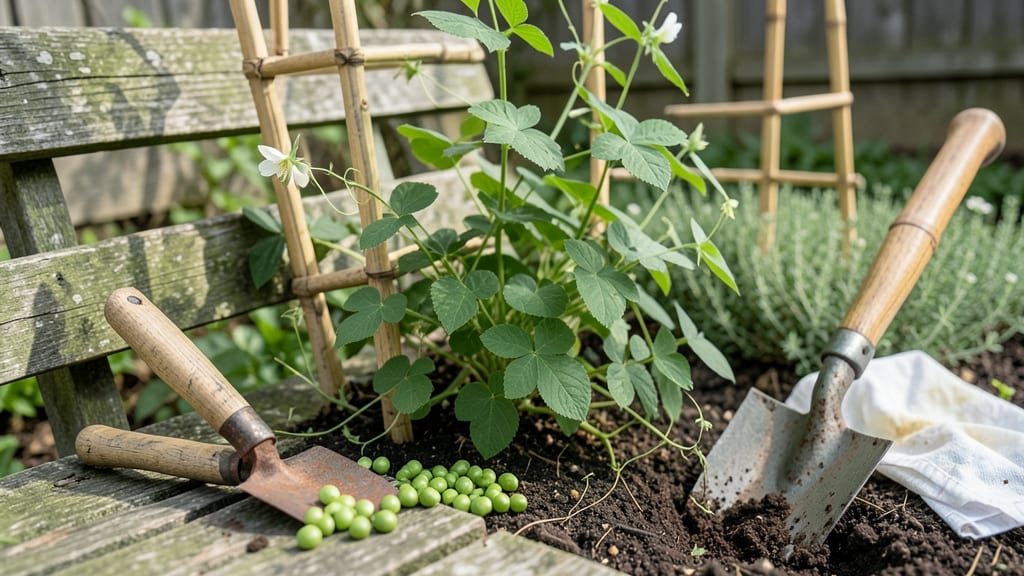
If you're wondering when to plant peas in NH, timing is the secret weapon to a bountiful harvest—because those sweet, tender pods won’t wait for you.
In New Hampshire’s 5b zone, where frosty mornings linger well into spring, getting your peas in the ground too early means risking frost damage, while planting too late might leave you with a meager yield.
Peas are one of the first spring vegetables you can sow, but they’re also frost-tolerant, meaning they can handle light freezes. The key is planting them 4-6 weeks before your last frost date—typically between early March and mid-April in most of the state.
Whether you’re growing sugar snap peas, snow peas, or classic garden peas, nailing this window ensures your vines have enough time to mature before summer’s heat sets in.
But here’s the thing: not all peas are created equal. Some varieties, like early dwarf peas, can handle cooler soil temperatures, while others need warmer conditions to thrive.
I’ll break down the best planting strategies for NH’s climate, including whether to start seeds indoors or sow directly in the garden—and how to protect your young plants if late frosts sneak in.
Ready to grow a garden full of crisp, flavorful peas? Let’s dive into the exact dates, soil prep tips, and companion plants that’ll help you turn your NH garden into a pea-growing powerhouse this spring.
New Hampshire pea planting calendar: exact dates by frost zone
New Hampshire's cool climate and variable frost dates make peas a perfect fit, but timing is critical. Most of the state falls within USDA Zones 3-5, with last frost dates ranging from early April in southern regions to late May in the north.
To maximize your harvest, align planting with these frost-free windows and choose varieties suited to your microclimate.
Peas thrive in cool soil temperatures between 40°F and 85°F. Planting too early in cold, wet soil can stunt growth, while waiting too long risks missing the spring harvest window.
For snow peas and sugar snap peas, aim for early to mid-spring planting, while garden peas can handle slightly later dates.
Here’s your NH pea planting timeline by region and variety type, including average last frost dates for key cities and recommended planting windows:
| Region/City | USDA Zone | Avg. Last Frost | Pea Variety | Planting Window | Notes |
|---|---|---|---|---|---|
| Southern NH (Portsmouth, Dover) | Zone 6b-7a | April 15-20 | Snow Peas (e.g., 'Oregon Sugar Pod') | March 15 - April 10 | Early varieties; use row covers for late frosts. |
| Central NH (Concord, Manchester) | Zone 5a-5b | April 25 - May 5 | Sugar Snap Peas (e.g., 'Sugar Sprint') | April 1 - April 25 | Cold-hardy; plant 4-6 weeks before last frost. |
| Northern NH (Laconia, White Mountains) | Zone 3b-4b | May 10-20 | Garden Peas (e.g., 'Green Arrow') | April 20 - May 10 | Wait for soil to warm to 45°F; use black plastic mulch. |
| All Regions | Zones 3-5 | N/A | Fall Planting (e.g., 'Alderman') | August 15 - September 15 | For late-season harvests; use cold-hardy varieties. |
For direct sowing, peas prefer cool soil temperatures around 40°F to 50°F. If your soil is still cold and wet in early spring, consider starting seeds indoors 4-6 weeks before your last frost date and transplanting seedlings once soil warms.
This is especially useful for northern NH gardeners with later frost dates.
In southern NH, where frost arrives earlier, succession planting every 2 weeks from March through May ensures a continuous harvest. Choose early-maturing varieties like 'Little Marvel' (50 days) or 'Sugar Ann' (60 days) to beat the heat of summer.
Avoid planting after mid-June, as peas struggle in high temperatures above 85°F.
Pro tip: Use a soil thermometer to check temperatures before planting. Peas won’t germinate well in soil colder than 40°F. If your garden is shaded, opt for dwarf varieties like 'Tom Thumb' (3-4 ft tall), which thrive in partial shade and produce earlier harvests than taller types.
For fall planting, focus on cold-hardy varieties like 'Lincoln' or 'Alaska' and sow seeds in late summer (August-September). These peas mature quickly and can withstand light frosts, providing a second harvest before winter sets in.
Mulch heavily with straw or leaves to protect plants from early autumn frosts.
Remember, microclimates matter! A south-facing slope warms up faster than a north-facing garden bed, so adjust your planting dates accordingly. If you’re unsure about your last frost date, check local records from the NH Agricultural Experiment Station or use a frost calendar app for real-time updates.
With the right timing, your NH pea garden can yield sweet, tender pods from late spring through early summer—proof that even in a short growing season, peas are a reliable and rewarding crop.
How to extend pea growing season in new Hampshire’s short summers
New Hampshire’s short growing season can feel like a race against time for peas, but with the right strategies, you can stretch your harvest well beyond the typical 60-day window. Cold-hardy varieties and protective techniques let you plant earlier and keep vines producing longer—even when temperatures dip unexpectedly.
The key is balancing soil warmth, frost protection, and succession planting to maximize your yield.
Start by choosing early-maturing varieties like ‘Early Sugar Snap’ or ‘Lincoln’, which can tolerate light frosts and produce pods in just 55-60 days.
These varieties are your best bet for beating the clock in NH’s USDA Zone 5b, where last frosts can linger into mid-April in northern areas. Pair them with a row cover or cloches to shield tender seedlings from late spring chills.
Begin 4-6 weeks before your last frost date (typically late March for most of NH). Use biodegradable pots to avoid transplant shock.
Cover young plants with floating row covers to protect against 28°F temps. Remove during the day when temps rise above 50°F.
Sow new seeds every 2 weeks from late April to early June for a staggered harvest. This ensures a steady supply even if early plantings fail.
Extend the season by 4-6 weeks using a cold frame or low tunnel. Ideal for late summer plantings that might face early frosts.
Opt for ‘Green Arrow’ or ‘Oregon Sugar Pod’, which handle 25-30°F temps better than standard types. These can survive light frosts and still produce.
Timing is critical when it comes to direct sowing outdoors. Wait until the soil reaches 45°F—a simple soil thermometer check will save you from planting in cold, soggy ground. In NH, this usually aligns with late April to early May, depending on your microclimate.
If you’re in a cooler pocket like Coos County, aim for mid-May to avoid frost damage. For warmer areas like Portsmouth, you can push it back to late April.
Don’t overlook the power of companion planting to boost your peas’ resilience. Pair them with radishes or lettuce, which mature quickly and mark the soil for your next pea planting.
This succession strategy keeps your garden productive and reduces wasted space. Plus, radishes deter pests like pea aphids, giving your vines a fighting chance in NH’s humid summers.
For late-season extensions, try a second planting in early July using fast-maturing varieties. While peas won’t thrive in the heat of August, a shade cloth (30-50%) can help protect them from scorching sun.
Harvest these pods before the first 28°F frost, typically around mid-October in most of NH. With these techniques, you can enjoy fresh peas for nearly three months instead of just a few weeks.
The secret to success lies in observation and flexibility. Monitor your local NH weather forecasts and adjust your planting schedule accordingly. If a late frost is predicted, have your row covers ready—even a 32°F dip can stunt growth or kill young plants.
By combining the right varieties, protective gear, and smart timing, you’ll turn NH’s short season into a pea-growing powerhouse.
🌱