
Plants
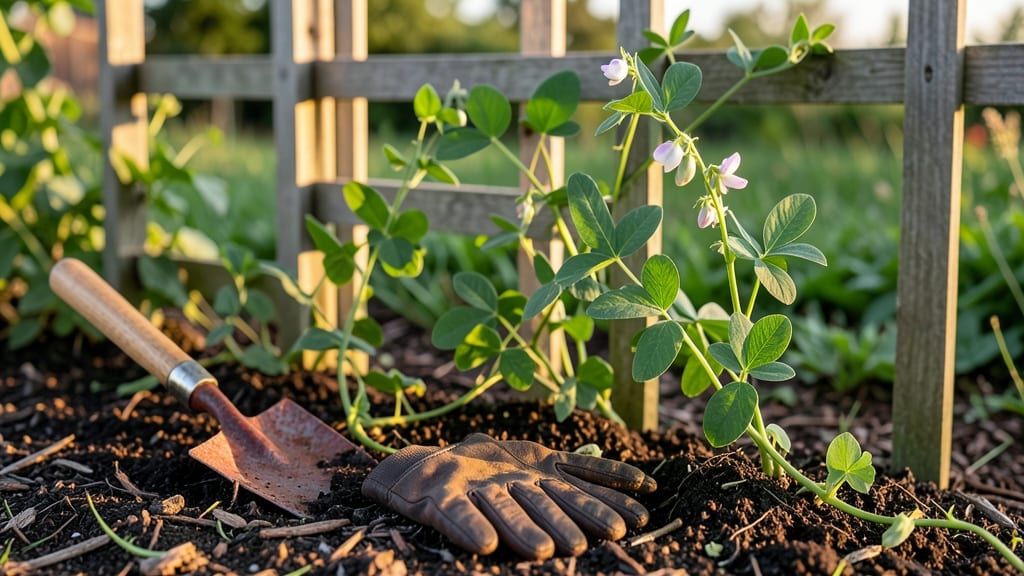
Knowing when to plant peas in Tennessee isn’t just about timing—it’s about unlocking a harvest that’s sweet, abundant, and free from common garden mistakes.
These cool-season 🌱 favorites thrive in the mild temperatures of your 6a-7b zone, but planting too early or late can leave you with wilted seeds or stunted growth.
Most Tennessee gardeners swear by their early spring window (February-March), but did you know fall plantings (August-September) can yield just as well? The key lies in soil temperatures—peas need that 60-70°F sweet spot—and avoiding the last frost (usually around March 15) is non-negotiable.
In this guide, I’ll break down the exact planting windows for East, Middle, and West Tennessee, plus how to read frost forecasts like a pro. You’ll also discover why some varieties (like sugar snaps) demand extra care—and how to pair peas with companion plants to keep pests at bay.
Whether you’re a first-time gardener or a seasoned green thumb, these insights will help you time your pea planting perfectly for a bountiful harvest from April through November. Let’s get those seeds in the ground the right way!
Best planting windows for peas in Tennessee by region (cool-season guide)
Tennessee's diverse climate—spanning USDA zones 6a-7b—means pea planting windows vary by region. East Tennessee's cooler highlands (like Knoxville) allow earlier sowing, while West Tennessee's warmer lowlands (like Memphis) demand later dates to avoid heat stress.
The key? Plant when soil temps stay below 70°F and frost risk is low.
For spring peas, aim to sow 4-6 weeks before your last frost date. In East Tennessee, this often means late February to early March, while Middle Tennessee gardeners should wait until mid-March, and West Tennessee gardeners can start in late March.
Fall plantings should occur 8-10 weeks before first frost, typically August-September.
Here’s how to align your planting with Tennessee’s three distinct regions:
Pro tip: Use a soil thermometer to confirm temps—peas hate heat! If your soil stays above 75°F for more than a few days, your peas will bolt (flower prematurely) or rot. Morning hours are ideal for planting, as cooler temps reduce stress on young seedlings.
For fall plantings, prioritize dwarf or semi-dwarf varieties like 'Little Marvel' or 'Tom Thumb,' which mature faster in Tennessee’s shorter fall season. These varieties can go from seed to harvest in just 50-60 days, giving you a second crop before frost.
Regional microclimates matter too! If you’re in a valley or low-lying area (like the Cumberland Plateau), plant 2 weeks earlier than your zone’s average. Conversely, urban heat islands (like downtown Nashville) may require delayed plantings by 1-2 weeks to avoid heat stress.
Don’t forget: Peas are cool-season champions, but they hate summer heat. If your spring planting window passes and temps rise, switch to shade-tolerant varieties like 'Oregon Sugar Pod' or grow peas under row covers to protect them from afternoon sun.
For succession planting, sow a second crop every 2 weeks in spring and every 3 weeks in fall. This ensures a steady supply of fresh peas instead of a single overwhelming harvest.
🌱
Soil temperature & weather triggers: how to time pea planting perfectly
Peas are cool-season champions, but they despise heat—soil temps above 75°F will stunt their growth or trigger rot. The ideal range is 60-70°F, which is why timing matters. In Tennessee’s 6a-7b zones, this window opens in late winter and closes before summer’s heat sets in.
To nail the perfect timing, I recommend using a soil thermometer (just $10 at garden centers). Check temps at 10 AM—if they’re consistently below 70°F, it’s go-time.
For spring plantings, this usually aligns with February-March in most regions, but West Tennessee’s warmer microclimates may push you to March-April.
For fall plantings, aim for August-September when soil temps start cooling. A quick trick: plant when your local forecast predicts 50°F nights—this mimics peas’ natural dormancy cues. In East Tennessee’s higher elevations, you might even squeeze in a late-September planting before the first frost hits.
🌱 Pro Tip: If you’re unsure about soil temps, use the "finger test". Stick your finger 2 inches deep—if the soil feels cool (not cold) to your touch, it’s safe to plant.
⚠️ Warning: Avoid These Planting Pitfalls
- Planting too early: Cold, wet soil causes rot. Wait for consistent 50°F+ days.
- Ignoring frost dates: Peas won’t survive below 25°F. Check your last frost date (March 15 avg) and plant 4-6 weeks before.
- Skipping soil tests: Peas prefer pH 6.0-7.0. Test your soil—amend with lime if needed.
Use the Almanac’s Frost Calculator for your exact location: almanac.com/frostdates.
Pea varieties also play a role in timing. Sugar Snap and Oregon Sugar Pod need 60-65°F soil to germinate, while Green Arrow (a bush variety) tolerates slightly warmer 65-70°F. For faster germination, soak seeds overnight in lukewarm water before planting.
Watch for weather triggers too: Plant on a cloudy day or in the late afternoon to reduce stress. If rain is forecast within 24 hours, hold off—peas hate soggy soil. In drought-prone West Tennessee, consider mulching with straw to retain moisture.
Finally, don’t forget succession planting: Sow new seeds every 2 weeks for a continuous harvest. In Tennessee’s climate, this means 3-4 plantings in spring and 2 in fall. Your goal? A pod-producing party from April to November!