
Size
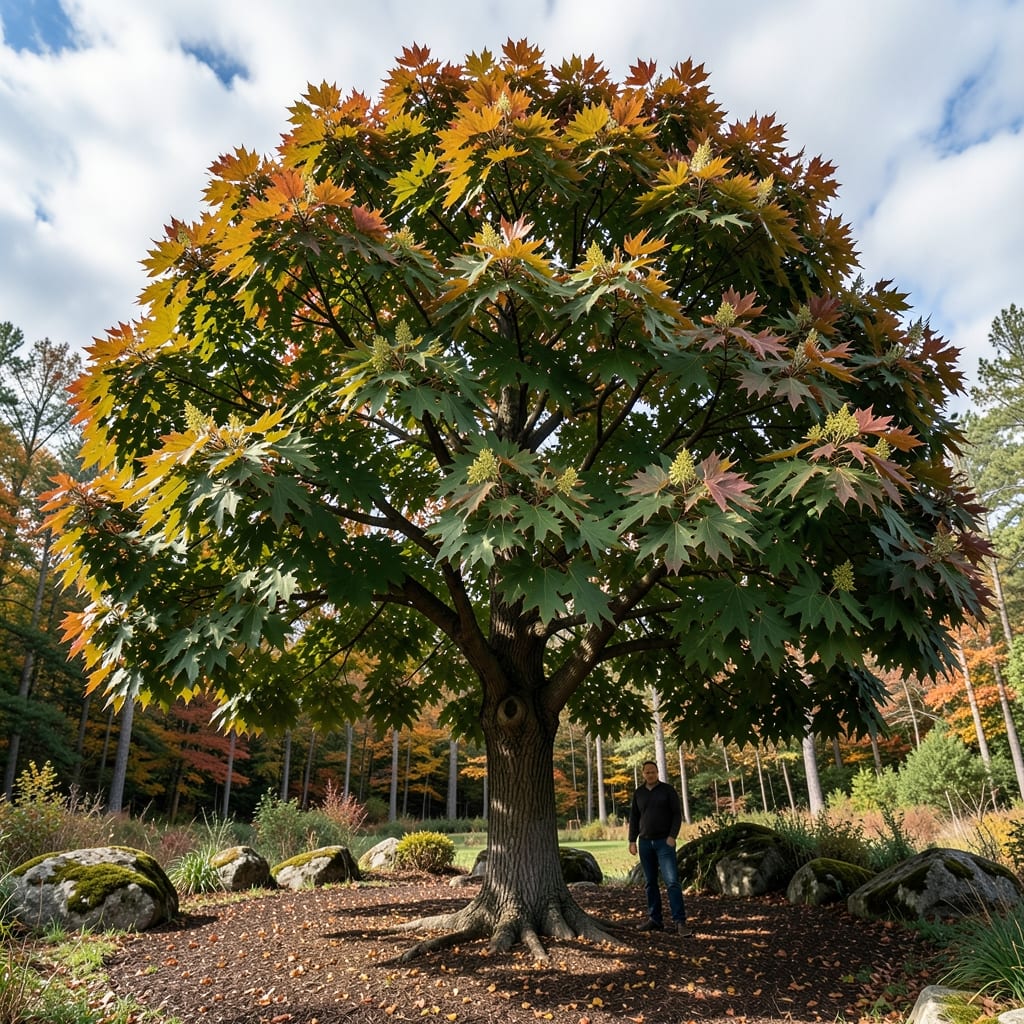
If you’ve ever wondered how tall can maple trees grow, the answer might surprise you—some varieties stretch taller than a 10-story building, while others stay small enough for a cozy backyard. Whether you’re planning a landscape or just curious about nature’s skyscrapers, understanding these giants is key.
The 🌳 Maple Tree family includes everything from delicate Japanese maples (just 15–25 feet) to towering sugar maples that reach 100 feet or more in ideal conditions. Your climate, soil, and even pruning habits play a huge role in how high they’ll climb.
In this guide, I’ll break down the height ranges by species, share tips to encourage (or control) their growth, and help you pick the perfect tree for your space—whether you want shade or a statement piece.
Let’s explore how these trees reach for the sky—and how you can shape their future in your own yard.


Maple tree height by species: from dwarfs to giants
Maple trees are nature’s skyscrapers, with some species reaching heights that dwarf even the tallest buildings. The sugar maple (Acer saccharum) often tops out between 60–100 feet, while the silver maple (Acer saccharinum) can stretch up to 80+ feet in ideal conditions. But not all maples are giants—some varieties stay compact, perfect for small yards or containers.
Your choice of species determines whether you’ll need to look up—or down—to admire your tree. For example, the Japanese maple (Acer palmatum) typically stays between 15–25 feet, making it a favorite for ornamental gardens. Meanwhile, the red maple (Acer rubrum) can grow 40–60 feet tall, offering a balance of height and manageability.
Here’s a quick comparison of how maple trees stack up in height—because not all maples are created equal!
| Species | Mature Height (ft) | Growth Rate | Best For |
|---|---|---|---|
| Sugar Maple | 60–100 | Moderate (1–2 ft/year) | Large yards, shade trees |
| Silver Maple | 50–80 | Fast (2–3 ft/year) | Urban areas, quick shade |
| Red Maple | 40–60 | Moderate (1–2 ft/year) | Mixed landscapes, wildlife |
| Japanese Maple | 15–25 | Slow (6–12 inches/year) | Ornamental gardens, containers |
| Norway Maple | 50–75 | Moderate (1–2 ft/year) | Shade, privacy screens |
Climate plays a huge role in how tall your maple tree grows. In USDA Zones 4–8, sugar and red maples thrive, reaching their full potential. However, in warmer zones (9–10), growth may slow, and trees might stay shorter unless given extra care. For example, a silver maple in Florida might only reach 40–50 feet compared to 80 feet in the Midwest.
Soil quality also impacts height—well-draining, slightly acidic soil (pH 6.0–7.5) encourages faster, healthier growth. If your soil is clay-heavy or waterlogged, roots struggle, capping height at 30–50 feet instead of the full potential. Always test your soil before planting!
If you’re dreaming of a towering maple but have limited space, consider dwarf varieties like ‘Autumn Blaze’ (30–40 ft) or ‘Armstrong’ (25–35 ft). These still deliver stunning fall color without the skyscraper commitment. Just remember: even dwarf maples need room to breathe—plant them at least 15–20 feet from structures or other trees.
Fun fact: The tallest recorded maple tree is a sugar maple in Michigan, standing at a staggering 130 feet! While your tree may not hit that mark, with the right species and care, you can grow a maple that’s the talk of the neighborhood—literally.
🌳
How to maximize maple tree height: pruning, soil, and sunlight secrets
Want your maple tree to reach its full sky-high potential? The key lies in three critical factors: sunlight, soil, and strategic pruning. Maple trees thrive with 6+ hours of direct sunlight daily, but their growth rate can double when given ideal conditions. For example, a silver maple in full sun may grow 2–3 feet per year, while one in partial shade might only add 1 foot annually.
Soil quality is just as important—well-draining, slightly acidic soil (pH 6.0–7.5) fuels rapid vertical growth. Amend heavy clay with compost or sand to prevent root suffocation, which can stunt height by 30–50%. A quick soil test before planting ensures your maple has the foundation it needs to stretch toward the sky.
Here’s my top tip for boosting height: Focus on vertical pruning in early spring. Remove competing branches near the trunk to direct energy upward. Avoid topping (cutting the top flat)—this triggers weak, bushy growth and weakens the tree. Instead, prune selective branches to maintain a strong, tall structure.
Pro Growth Hack
To maximize height, mulch around the base with 3–4 inches of organic mulch (like wood chips). This keeps roots cool, retains moisture, and encourages faster upward growth—especially in drought-prone areas.
Climate also plays a role—maples in USDA Zones 4–6 grow taller due to longer, cooler summers. In warmer zones (7–10), growth slows, but you can compensate with regular deep watering (every 5–7 days in summer) and balanced fertilizer (10-10-10 NPK) applied in early spring and late summer.
For container-grown maples (like dwarf varieties), height is limited by root space. Use large pots (3+ feet deep) and repot every 2–3 years to accommodate growth. Even then, expect 1–2 feet of height per year—slower than in-ground trees but still impressive for small spaces.
If you’re planting a sugar or red maple, give it room to grow—these giants need at least 40–50 feet of clearance from structures. For faster results, choose fast-growing varieties like ‘Autumn Fantasy’ (red maple) or ‘September Glory’ (silver maple), which can add 3+ feet per year with proper care.
🌿