
Trees
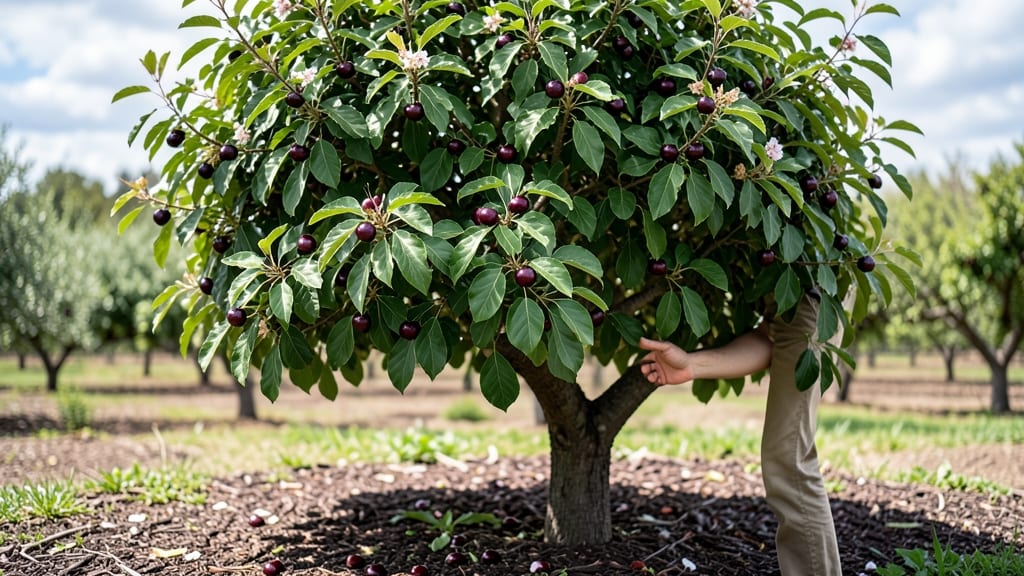
If you're wondering "how tall do Rainier cherry trees grow", you're not alone—many gardeners hesitate to plant these sweet 🍒 delights because of their mature size. But here's the good news: with the right approach, you can enjoy homegrown Rainier cherries even in smaller spaces.
These trees typically reach 15–25 feet at maturity, but their growth rate depends on variety, pruning, and care. Dwarf varieties can stay as short as 8–12 feet, making them perfect for compact yards or containers. The key is understanding how to manage their height without sacrificing fruit production.
In this guide, I’ll break down everything you need to know—from spacing requirements to pruning techniques—that will help you keep your Rainier cherry tree at an ideal height.
Whether you're working with a 6a zone climate or a cozy backyard, these tips will ensure your tree thrives while staying in proportion.
Ready to grow your own sweet harvest? Let’s dive into how to plant, prune, and care for your Rainier cherry tree so it fits your space—and your taste buds—perfectly.


Rainier cherry tree height: mature size and growth rate explained
If you’re considering planting a Rainier cherry tree, knowing its mature height is crucial for planning your garden layout. Standard varieties typically reach 15 to 25 feet tall, making them impressive but space-demanding additions.
However, with the right pruning techniques and dwarf varieties, you can enjoy these sweet cherries even in smaller yards.
The growth rate of a Rainier cherry tree depends on climate, soil quality, and care. In ideal conditions, these trees can grow 2 to 4 feet per year during their first few years.
By year 3, they’ll likely reach 10 to 15 feet, and by year 5, they may surpass 18 feet if left unpruned. Understanding this growth trajectory helps you prepare for long-term maintenance.
For those with limited space, dwarf Rainier cherry varieties are a game-changer. These compact trees mature between 8 to 12 feet tall, making them perfect for patios, small backyards, or even large containers.
Even with dwarf varieties, proper pruning practices can keep the tree’s height in check while maximizing fruit production.
Here’s a quick breakdown of what to expect over time, whether you choose a standard or dwarf variety:
| Stage | Standard Variety Height | Dwarf Variety Height | Growth Rate |
|---|---|---|---|
| Year 1 | 2–4 ft | 1–2 ft | Slow |
| Year 3 | 10–15 ft | 5–8 ft | Moderate |
| Year 5 | 18–22 ft | 8–12 ft | Rapid |
| Mature (10+ years) | 15–25 ft | 8–12 ft | Stabilizes |
Climate plays a significant role in how quickly your Rainier cherry tree grows. In warmer USDA zones (7–9), trees may grow faster due to longer growing seasons, while colder zones (5–6) could see slower growth.
Additionally, well-draining soil rich in organic matter and full sun exposure (6+ hours daily) will encourage healthier, faster growth.
If you’re planting in a small yard or container, consider semi-dwarf varieties, which typically reach 12 to 18 feet at maturity. These are a middle ground between standard and dwarf trees, offering more manageable heights while still producing abundant fruit.
Always check the specific variety’s growth habits before purchasing, as some may lean taller or shorter than average.
Proper spacing is essential when planting Rainier cherry trees. Standard varieties need 20 to 25 feet between trees to allow for airflow and sunlight penetration, reducing the risk of disease. Dwarf varieties can be spaced 10 to 15 feet apart, making them ideal for tighter spaces.
Planting too closely can lead to crowded canopies, which may reduce fruit quality and increase pest issues.
To ensure your Rainier cherry tree reaches its full potential—whether tall or compact—focus on regular pruning, balanced fertilization, and consistent watering.
With the right care, even a 25-foot tree can become a stunning focal point in your landscape, while dwarf varieties can thrive in the smallest of spaces.
Now that you understand the height expectations and growth patterns, you’re ready to plan your planting strategy. Whether you’re dreaming of a towering tree or a compact patio cherry, the key is choosing the right variety and giving it the care it deserves.
Rainier cherry tree height: mature size and growth rate explained
Rainier cherry trees typically reach a mature height of 15 to 25 feet, making them one of the taller fruit trees in home gardens. Their rapid growth—especially in the first 5 years—means they can quickly outgrow small yards if not managed properly.
Understanding these growth patterns helps you plan spacing, pruning, and even whether to choose a dwarf variety for compact spaces.
In their first year, Rainier cherries grow 2 to 4 feet, with each subsequent year adding 3 to 5 feet until they reach maturity. By year 3, they’ll often stand 10 to 15 feet tall, which is why early pruning is critical for controlling height.
Their growth rate also depends on your USDA hardiness zone—warmer climates (zones 6-9) encourage faster growth, while cooler zones may see slightly slower development.
| Stage | Height (ft) | Growth Rate | Best Care Tip |
|---|---|---|---|
| Year 1 | 2–4 ft | Fast | Stake young trees to support growth. |
| Year 3 | 10–15 ft | Moderate | Prune to remove water sprouts and shape canopy. |
| Mature (5+ years) | 15–25 ft | Slow | Focus on fruit-bearing branches and light pruning. |
| Dwarf Varieties | 8–12 ft | Controlled | Plant in well-draining soil and full sun. |
If you’re working with limited space, consider planting near a south-facing fence or wall to maximize sunlight while keeping the tree’s height in check. Rainier cherries thrive in full sun (6+ hours daily), so positioning matters—especially in smaller gardens where shade from neighboring plants can stunt growth.
For urban gardeners, dwarf varieties like ‘Compact Stella’ stay under 8 feet tall, making them ideal for patios or small backyards.
Another key factor is soil drainage. Heavy clay soils slow root development, which can reduce overall height but may also limit fruit production. Amend your soil with compost or sand to improve drainage and encourage healthier, more controlled growth.
Mulching around the base also helps regulate soil temperature, which indirectly affects growth rate.
For those in cooler climates (zones 5-6), expect slightly slower growth due to shorter growing seasons. In warmer zones (7-9), trees may grow faster but require more frequent pruning to manage height. Always prune in late winter or early spring before new growth begins to avoid stressing the tree.
Remember, even standard Rainier cherries can be pruned to stay under 12 feet if you’re proactive. The key is consistent pruning—removing suckers and crossing branches annually keeps the tree manageable while ensuring a bountiful harvest. With the right approach, you can enjoy homegrown Rainier cherries without sacrificing your yard’s space!