
Plants
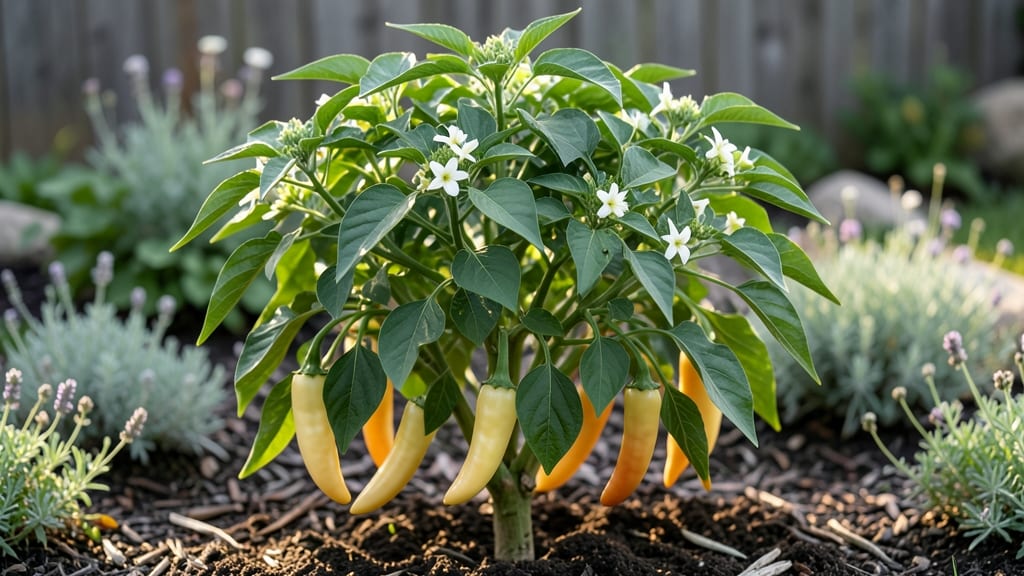
Wondering how tall do sweet banana pepper plants grow before they start dominating your garden? These compact 🌶️ plants typically stay between 18 and 36 inches—making them perfect for containers, small gardens, or even windowsills.
What makes them so versatile is their adaptability. With the right care, you can easily keep them under 2 feet, especially if you prune regularly or use vertical supports. This means you don’t need a sprawling backyard to enjoy a steady harvest of sweet, flavorful peppers.
Whether you’re a beginner gardener or a seasoned green thumb, understanding their growth habits is the key to maximizing your space. I’ll show you how to encourage healthy, manageable plants while ensuring a bountiful harvest from July through September.
Ready to grow your own? Let’s dive into the simple tricks that keep these peppers productive and your garden tidy.


Sweet banana pepper plant height guide: compact varieties explained
Sweet banana pepper plants (Capsicum annuum) are one of the most space-efficient peppers you can grow, typically reaching heights between 12 to 36 inches at maturity.
Unlike their sprawling bell pepper cousins, these plants stay compact and bushy, making them perfect for containers, small gardens, or even windowsill growing. Their height can vary based on growing conditions, but with the right care, you can easily keep them under 2 feet tall.
The average mature height for most sweet banana pepper varieties falls between 18 and 24 inches, which is ideal for patio gardens, raised beds, or even hanging baskets.
Some dwarf varieties, like 'Mini Banana,' can stay as short as 12 inches, while larger types might stretch toward 3 feet if left unpruned. Understanding these ranges helps you plan your garden layout and choose the right variety for your space.
Here’s a quick breakdown of what influences their height: sunlight exposure, container size, pruning habits, and support structures. For example, a plant in a 5-gallon container with limited root space will stay shorter than one planted in the ground.
Meanwhile, regular pruning can encourage bushier growth and prevent them from becoming leggy.
If you’re growing sweet banana peppers in containers, expect them to mature slightly slower but stay more compact. In-ground plants, however, may grow taller if given unrestricted space and full sun.
The key is to balance their needs with your garden’s constraints—whether that’s a balcony, windowsill, or backyard plot.
🌱
| Factor | Impact on Height | Actionable Tip |
|---|---|---|
| Sunlight | Full sun (6+ hours) = taller growth; partial sun = shorter, bushier plants | Use drip irrigation to avoid overwatering in full sun |
| Container Size | Smaller pots (5-gallon) = 12–18 inches; larger pots = up to 36 inches | Choose containers at least 12 inches deep for optimal root growth |
| Pruning | Regular pruning = bushier, shorter plants; no pruning = leggy, taller growth | Pinch back top growth when plants reach 12 inches |
| Support | Trellises or cages = vertical growth (up to 36 inches); no support = sprawling, shorter habit | Use tomato cages or stakes for vertical training |
| Variety | Dwarf varieties = 12–18 inches; standard = 24–36 inches | Select 'Mini Banana' for smallest size |
One of the biggest myths about sweet banana peppers is that they’ll sprawl uncontrollably like other pepper varieties. In reality, they’re naturally compact and thrive when given moderate space.
For instance, if you’re growing them in a 5-gallon pot, you can expect heights around 18 inches, while in-ground plants may reach 24–36 inches if left unchecked. The good news? You can easily control their height with simple techniques like pruning and trellising.
For small-space gardens, aim to keep your plants under 2 feet by using dwarf varieties and containers. This not only saves space but also makes harvesting easier.
If you’re growing them in raised beds, ensure they have at least 18 inches of space between plants to prevent overcrowding, which can stunt growth and reduce yield.
Another factor to consider is seasonal growth. Sweet banana peppers grow fastest during warm months (June–August), which is when they may reach their full height.
If you’re in a cooler climate (USDA Zone 6a or below), consider starting them indoors or using black plastic mulch to warm the soil and encourage faster, more compact growth.
💡 If you’re growing sweet banana peppers in containers, remember that root-bound plants grow slower but stay shorter. To encourage healthy growth, repot every 2 years or add fresh potting mix to refresh nutrients. This simple step can make a big difference in both height and yield!
Finally, don’t forget that harvesting regularly also influences plant height. When you pick peppers frequently, the plant focuses energy on producing more fruit rather than growing taller. This is why many gardeners report shorter, bushier plants when they harvest peppers every 1–2 weeks during peak season.
✂️
Sweet banana pepper plant height guide: compact varieties explained
Sweet banana pepper plants typically reach a mature height of 12 to 36 inches, making them perfect for small gardens, containers, or even windowsill growing. Unlike their sprawling relatives, these peppers stay compact and manageable with the right care, producing sweet, banana-shaped fruits without taking over your space.
Understanding their growth habits helps you plan your garden layout and maximize yields in limited areas.
The average height for most sweet banana pepper varieties falls between 18 and 24 inches, but this can vary based on growing conditions. For example, dwarf varieties like 'Mini Banana' often stay under 12 inches, while standard types may stretch closer to 3 feet if left unpruned.
Knowing these ranges helps you choose the right variety for your space and goals.
| Growth Stage | Height Range | Key Notes |
|---|---|---|
| Seedling | 2–6 inches | Transplant when 4–6 inches tall |
| Vegetative Growth | 12–18 inches | Prune to encourage bushiness |
| Mature Plant | 18–36 inches | Standard varieties; dwarf types stay under 12 inches |
| With Trellis | Up to 3 feet | Vertical growth encouraged for space-saving |
Several factors influence how tall your sweet banana pepper plants grow. Sunlight exposure is critical—6+ hours of full sun daily promotes healthy, upright growth, while partial shade can lead to leggy, sprawling plants.
Additionally, container size matters: smaller pots (5–10 gallons) restrict root growth, keeping plants shorter and bushier, while larger containers allow for taller growth.
Pruning plays a huge role in controlling height. Regularly pinching back the top growth encourages the plant to branch out, creating a fuller, more compact shape. I recommend pruning every 2–3 weeks during the growing season to maintain a height of 18–24 inches. This also improves air circulation, reducing the risk of fungal diseases like powdery mildew.
For container gardening, choose pots with drainage holes and use a well-draining potting mix to prevent root rot, which can stunt growth. If you’re growing in ground beds, ensure the soil is rich in organic matter and well-aerated.
Amending the soil with compost before planting gives your peppers the nutrients they need to stay healthy and compact.
If you’re aiming for vertical growth, install a trellis or stake early in the season. Sweet banana peppers respond well to gentle training, and guiding them upward can save space while increasing yields.
Just be sure to tie the stems loosely with soft plant ties to avoid damaging the stems as they grow.
With the right care, your sweet banana pepper plants will stay under 2 feet tall, making them ideal for balconies, patios, or small garden plots.
Whether you choose a dwarf variety or prune a standard type, these peppers deliver sweet, flavorful rewards without the space demands of larger plants. 🌱