
How To
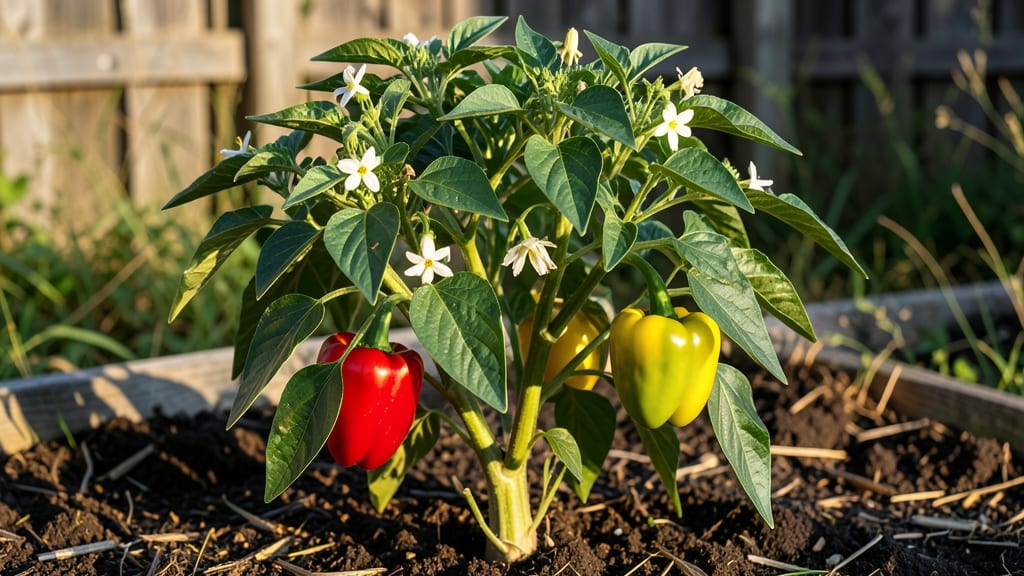
Wondering how tall does a bell pepper plant grow before it starts producing those sweet, crunchy peppers you crave? The answer might surprise you—some varieties barely reach your waist while others tower like small trees!
If you're working with limited garden space, knowing your 🌶️ bell pepper's mature height is the key to planning. Standard varieties typically grow between 2-4 feet, but compact types can stay under 2 feet, making them perfect for containers or small plots.
The difference comes down to variety, care, and a little strategic pruning.
In this guide, I'll break down exactly what to expect from your plants—whether you're growing classic bell peppers or space-saving dwarfs. You'll also discover how sunlight, soil, and even your watering habits can influence height, plus tips to keep your plants at your ideal size without sacrificing yield.
Ready to turn your garden into a pepper paradise? Let's get started with the varieties that fit your space—and your harvest goals.


Standard bell pepper plant height: what to expect by variety
When planning your bell pepper garden, knowing how tall these plants grow helps with spacing and container choices. Most standard varieties reach 2 to 4 feet tall, but some can grow even taller with proper care.
The height depends on the variety type, whether it’s a bush or vine variety, and growing conditions.
For example, classic bell pepper varieties like 'California Wonder' typically grow 3 to 4 feet tall, while long varieties such as 'Banana Pepper' may reach up to 5 feet if left unpruned. Understanding these differences ensures you allocate enough space for each plant to thrive.
| Variety Type | Height Range | Growth Habit | Best For |
|---|---|---|---|
| Dwarf Varieties | 1–2 feet | Compact bush | Containers, small gardens |
| Standard Varieties | 2–4 feet | Bush or semi-vine | In-ground gardens, raised beds |
| Long Varieties | 3–5 feet | Vine-like | Trellises, vertical gardens |
| Mini Varieties | 1–2.5 feet | Bush | Balcony gardens, patio pots |
If you're growing bush-type bell peppers, they’ll stay shorter and stockier, making them ideal for small gardens or containers. On the other hand, vine-type varieties like 'Banana Pepper' or 'Jalapeño' can sprawl if not supported, so plan for trellises or stakes to keep them manageable.
Another factor influencing height is pruning habits. Many gardeners prune bell pepper plants to encourage bushier growth and more fruit production. However, over-pruning can stunt growth, so aim for a balance—removing only suction shoots and damaged leaves while preserving the plant’s natural structure.
For container gardening, choose dwarf or mini varieties to avoid overcrowding. These plants thrive in 5-gallon pots or larger, giving them enough room to grow without becoming root-bound. Just ensure your container has drainage holes to prevent waterlogging, which can stunt growth.
Sunlight also plays a role in plant height. Bell peppers need 6 to 8 hours of full sun daily to reach their full potential. Without enough light, they may grow taller but leggy, with fewer peppers.
To maximize height control, place your plants in the sunniest spot in your garden or balcony.
One common misconception is that all bell peppers grow the same height. In reality, variety selection is key—some are bred specifically for compact growth, while others are designed to climb. Always check seed packets or plant tags for height expectations to avoid surprises in your garden layout.
By understanding these height ranges and growth habits, you can create a well-organized garden that maximizes space and productivity. Whether you're growing in containers, raised beds, or in-ground plots, knowing how tall your bell peppers will grow helps you plan for success.
Now that you know what to expect, let’s explore space-saving varieties perfect for small gardens in the next section!
Standard bell pepper plant height: what to expect by variety
Bell pepper plants vary dramatically in height depending on the variety and growth habit. Most standard types reach 2-4 feet tall, but some can stretch even taller with proper care. Understanding these differences helps you choose the right plants for your garden layout and space constraints.
For example, classic bell pepper varieties like 'California Wonder' typically grow 3-4 feet tall, while long, slender types such as 'Banana' peppers can reach 4+ feet if left unchecked.
On the other hand, bush-type peppers like 'Early California Wonder' stay shorter at 2-3 feet, making them ideal for small gardens.
Here’s a quick breakdown of what to expect from common types:
| Variety | Height Range | Growth Habit | Notes |
|---|---|---|---|
| California Wonder | 3-4 ft | Bush | Classic, high-yielding variety |
| Banana Pepper | 3-5 ft | Vine | Long, slender peppers; needs support |
| Tiny Tim | 1-2 ft | Bush | Perfect for containers; compact |
| Jupiter | 2-3 ft | Bush | Large peppers; great for small gardens |
| Poblano | 2-3 ft | Bush | Slightly taller but manageable |
If you're growing standard varieties like 'California Wonder', expect them to fill out quickly, especially with plenty of sunlight and nutrients. These plants often benefit from staking or caging to support their weight and prevent sprawling, which can lead to disease or reduced airflow.
For taller varieties, such as 'Banana' peppers, consider using a trellis or tall cage to guide their growth vertically. This not only saves space but also improves air circulation, reducing the risk of fungal issues like powdery mildew.
Even compact varieties like 'Tiny Tim' can stretch slightly if given extra care, so always check the seed packet for specific height ranges.
Remember, the height of your bell pepper plant isn’t set in stone—proper care can influence it. Factors like pruning, soil quality, and sunlight exposure play a big role in whether your plants stay short or shoot up.
We’ll dive deeper into managing height naturally in the next section! 🌱