
How To
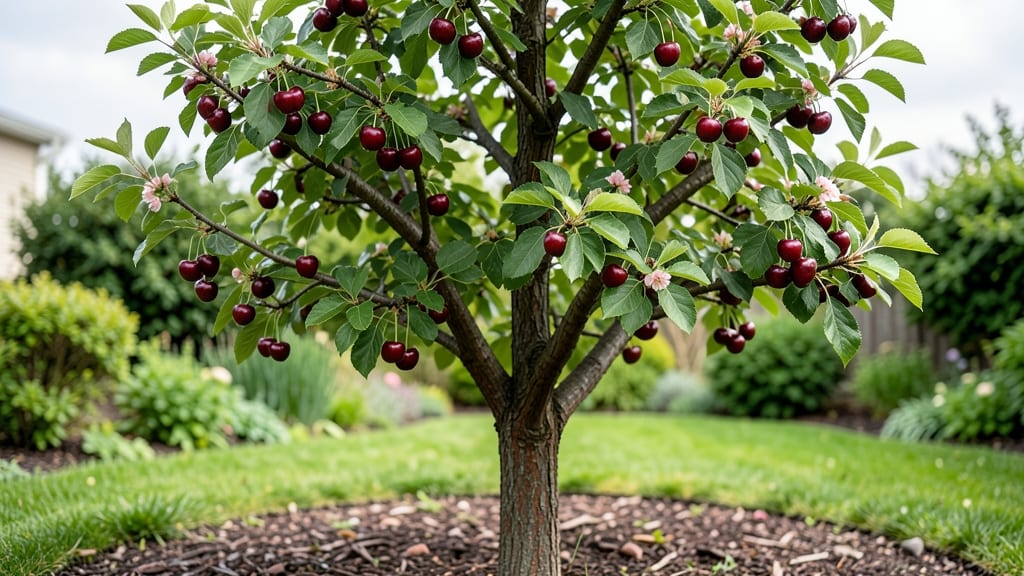
Wondering how tall does a Bing cherry tree grow before it towers over your backyard? You’re not alone—many gardeners assume these sweet 🍒 producers need acres of space, but the truth is far more manageable.
Standard Bing cherry trees can reach 20 to 30 feet at maturity, but dwarf varieties like 'Stella' stay a compact 6 to 10 feet, making them perfect for small gardens. The key to controlling their height lies in smart pruning and choosing the right variety.
With the right techniques, you can enjoy Bing cherries in even the tightest spaces. Whether you're working with a 10-foot yard or a container setup, I’ll show you how to keep your tree in check while maximizing fruit production.
Ready to grow your own cherries without sacrificing space? Let’s dive into the details—from pruning tips to the best compact varieties for your garden.


Bing cherry tree height: mature size and growth rate explained
Standard Bing cherry trees typically reach a mature height of 20–30 feet, making them towering giants in many backyards. Without intervention, these trees can easily dwarf even the largest garden spaces, but their growth rate and final size depend on several factors, including variety, pruning practices, and climate conditions.
The first 3–5 years are critical for height development. In their first year, young trees grow 3–5 feet, while years two and three see rapid growth spurts of 8–12 feet and 12–18 feet, respectively.
By year five, most standard Bing cherry trees will already be 15–20 feet tall if left unpruned.
Climate plays a surprising role in height. Trees in warmer USDA zones (7–9) grow faster and taller due to longer growing seasons, while those in cooler zones (5–6) may max out at 15–20 feet due to slower growth.
Wind exposure also affects height—trees in exposed areas often grow taller but weaker, while sheltered trees develop a stockier, more manageable shape.
Here’s the key detail: Dwarf Bing cherry varieties like 'Stella' or 'Compact Stella' stay between 6–10 feet tall, making them perfect for small gardens. These varieties are grafted onto dwarfing rootstock, which naturally limits their height while maintaining fruit production.
Even standard varieties can be controlled with aggressive pruning, though this requires regular maintenance. The trade-off? Pruned trees may produce slightly smaller fruit yields but offer the flexibility to fit into tight spaces—ideal for urban gardens or patios.
🌱
| Stage | Height Range | Growth Rate | Notes |
|---|---|---|---|
| Year 1 | 3–5 ft | Slow | Establish root system |
| Year 2 | 8–12 ft | Rapid | Prune to control height |
| Year 3 | 12–18 ft | Moderate | Shape for fruit yield |
| Mature (5+ years) | 20–30 ft (standard) | Stable | Annual pruning required |
| Dwarf Varieties | 6–10 ft | Controlled | Grafted rootstock |
If you’re working with a standard Bing cherry tree, plan for at least 15 feet of vertical space from the ground to the lowest branches. This ensures safe access for harvesting and pruning while allowing sunlight to reach the lower canopy.
For smaller gardens, consider planting near a south-facing wall to maximize sunlight and create a natural windbreak.
Soil quality also impacts height. Trees planted in nutrient-rich, well-draining soil grow faster and taller, while poor soil conditions can stunt growth by up to 30%.
Amending your soil with compost or organic matter before planting can help mitigate this, ensuring your Bing cherry tree reaches its potential height without sacrificing health.
One common misconception is that taller trees always produce more fruit. In reality, well-pruned trees—even those under 10 feet tall—can yield just as many cherries as unpruned giants, provided they receive proper care.
The key is balancing height control with airflow and sunlight exposure to prevent disease and maximize fruit production.
For those with limited space, container-growing is an option, though it requires careful rootstock selection and annual repotting. Dwarf varieties like 'Compact Stella' thrive in 15–20 gallon containers, making them ideal for patios or balconies. Just be prepared for slightly smaller fruit sizes compared to in-ground trees.
🌳
Bing cherry tree height: mature size and growth rate explained
Standard Bing cherry trees reach a towering 20–30 feet at maturity, making them a classic backyard giant. But don’t let that intimidate you—this height is only for trees left unpruned in open spaces. With strategic pruning, you can easily reduce their height to 12–18 feet, perfect for medium-sized gardens.
In their first year, young Bing cherry trees grow 3–5 feet tall, while by year two, they can shoot up to 8–12 feet. By year three, expect rapid vertical growth, reaching 12–18 feet if not pruned.
The key to controlling their height lies in understanding their growth habits and when to intervene.
Climate plays a huge role in their final height. Cooler regions like USDA Zone 6a may see slightly slower growth, while warmer zones like Zone 8 can push trees toward the upper end of the height range.
Proper soil drainage and sun exposure also influence how tall they grow—neglect these, and you’ll end up with a leggy, overgrown tree.
| Growth Stage | Height Range | Pruning Tip |
|---|---|---|
| Year 1 | 3–5 ft | Shape early to establish central leader |
| Year 2 | 8–12 ft | Remove 1/3 of vertical growth |
| Year 3+ | 12–30 ft | Annual pruning to maintain height |
| Dwarf Varieties | 6–12 ft | Minimal pruning needed |
For those with limited space, consider dwarf Bing cherry varieties like 'Stella' or 'Compact Stella,' which max out at 6–12 feet. These varieties are bred to stay compact while still producing abundant fruit.
Even with dwarf varieties, pruning in early spring helps maintain their shape and encourages bushier growth for better fruit production.
If you’re growing a standard Bing cherry tree, aim to prune it back by 20–30% annually during late winter or early spring. This prevents the tree from becoming too tall while ensuring it still gets enough sunlight for fruit production. Always use sterilized pruning shears to avoid spreading disease.
Remember, the goal isn’t just to control height—it’s to create a balanced, productive tree. A well-pruned Bing cherry tree will reward you with sweeter fruit and easier harvesting, even in small gardens. With the right approach, you can enjoy Bing cherries without sacrificing your yard space! 🍒🌳