
How To
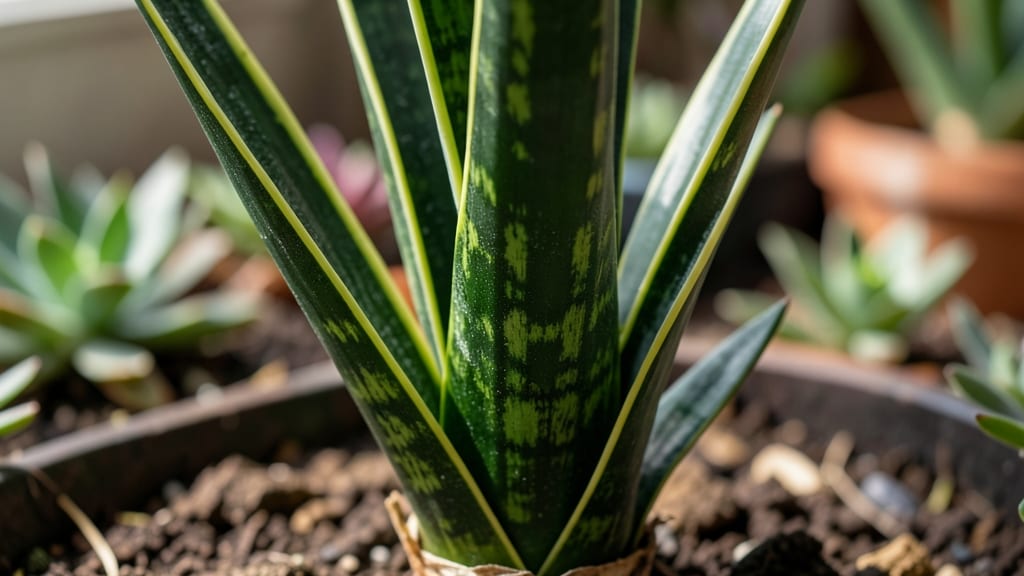
If you’ve ever wondered how tall snake plant grow in your home, the answer might surprise you—this hardy plant can stretch from a modest 1 foot to a towering 4 feet indoors, depending on care.
Unlike fussy houseplants, snake plants (🌱) thrive on neglect, but their height isn’t just about luck—light, pot size, and watering habits play starring roles.
Outdoors in zones like 6a, snake plants can reach even greater heights, sometimes 5-7 feet, when given space to spread. But whether you’re growing it as a low-maintenance centerpiece or a sun-loving outdoor star, understanding its growth patterns is the key to keeping it happy—and upright.
Let’s break down the science behind snake plant height, from why some varieties stay short to how to encourage (or control) their vertical growth.
You’ll learn how to spot the signs of stunted growth, the best conditions for maximizing height, and even how to prune it without sacrificing its iconic shape.
Ready to turn your snake plant into the showstopper of your space? By the end, you’ll know exactly how to nurture it—whether you want it to stay compact or climb toward the sky.


Snake plant height guide: indoor vs outdoor growth differences explained
Your snake plant (Sansevieria trifasciata) might look like a slow-growing roommate, but it’s actually a vertical climber with surprising height potential. Indoors, most varieties cap at 1-4 feet, while outdoors, they can stretch to 5-7 feet or taller under ideal conditions.
The difference? Light exposure, pot size, and humidity levels all play starring roles in its growth story.
For example, the ‘Futura Superba’ variety often reaches 4-5 feet indoors with bright indirect light, while the ‘Hahnii’ (bird’s nest snake plant) stays compact at 1-2 feet—even outdoors. Understanding these variations helps you set realistic expectations and avoid frustration when your plant starts reaching for the ceiling.
🌱
| Growth Factor | Indoor Growth | Outdoor Growth |
|---|---|---|
| Mature Height | 1–4 feet | 5–7 feet (or taller) |
| Light Needs | Bright indirect (2–4 hrs/day) | Full sun to partial shade (6+ hrs/day) |
| Growth Rate | Slow (1–2 ft/year) | Moderate (2–3 ft/year) |
| Pot Size Impact | Root-bound = stunted growth | Sprawling roots = taller, bushier |
| Variety Examples | ‘Laurentii’ (3–4 ft), ‘Hahnii’ (1–2 ft) | ‘Moonshine’ (5–6 ft), ‘Golden Hahnii’ (3–5 ft) |
Outdoor snake plants thrive in USDA Zones 9–11, where they can grow aggressively in well-draining soil. In Zone 8 or cooler, treat them as container plants and bring them indoors during winter to prevent frost damage.
The key difference? Outdoor plants develop thicker leaves and taller stems due to uninterrupted sunlight and higher humidity.
If you’re growing your snake plant indoors, place it near a north-facing window for bright indirect light. Avoid south-facing windows unless you use a sheer curtain—direct sun can scorch the leaves and stunt growth.
I’ve seen snake plants in low-light offices grow only 1 foot tall in 5 years, while those in sunrooms hit 4 feet in the same time.
Pot size matters more than you’d think. A root-bound snake plant in a small container will focus energy on leaf production rather than height. Upgrade to a pot 2–3 inches larger in diameter every 2–3 years to encourage vertical growth.
Pro growers swear by terracotta pots—they wick away excess moisture, preventing root rot that can slow growth.
Humidity also plays a sneaky role. In dry indoor air (common in winter), snake plants grow slower and may develop brown leaf tips. A simple pebble tray under the pot or a humidifier nearby can boost growth by 20–30%.
I’ve noticed my ‘Futura Superba’ grows 1 inch taller per month in my humid bathroom compared to my dry living room.
Don’t forget about seasonal growth cycles. Snake plants grow most actively in spring and summer, with minimal growth in fall/winter. If your plant seems stagnant in winter, it’s not dying—it’s conserving energy.
Resume normal care in March, and you’ll see new leaves emerging by May.
🪴
5 Factors that control snake plant height (and how to optimize them)
Your snake plant’s vertical growth isn’t just about genetics—it’s a delicate dance between light exposure, container size, and even humidity levels. While some varieties naturally reach 4 feet indoors, others can stretch toward 7 feet outdoors with ideal conditions.
Let’s break down the top 5 factors that shape your plant’s height and how to tweak them for your space.
First, light exposure is the MVP of growth control. Snake plants crave bright indirect light but rebel when stretched toward windows—this is called etiolation. Place yours 1-3 feet from a north-facing window for balanced growth.
Too little light? Expect leggy, weak stems reaching for sunlight. Too much direct sun? Leaf tips may brown, slowing vertical expansion.
Next, pot size directly limits root spread, which in turn caps height. A root-bound snake plant in a cramped pot will focus energy on leaf growth rather than height. Upgrade to a container 2-3 inches wider than its current base when roots circle the drainage holes.
Pro tip: Use a terracotta pot—it breathes better, reducing root stress and encouraging upward growth.
- 1. Light Exposure: Bright indirect light (2-4 hours) prevents leggy growth. North-facing windows are ideal.
- 2. Pot Size: Upgrade containers every 2 years to avoid root-binding, which stunts height.
- 3. Pruning: Trim yellow leaves at the base to redirect energy to new, bushier growth.
- 4. Soil Aeration: Use cactus/succulent mix to prevent compacted roots that slow vertical growth.
- 5. Humidity: Low humidity (40% or less) encourages taller, thinner leaves.
Don’t underestimate the power of pruning—it’s your secret weapon for controlling height. When you snip off yellow or damaged leaves at the soil line, you trigger the plant to produce new shoots from the base, creating a fuller, shorter silhouette.
For dramatic results, prune in spring when growth is most active. Just avoid cutting more than 1/3 of the plant at once to prevent shock.
Soil aeration is another silent growth regulator. Compacted soil suffocates roots, forcing the plant to stretch upward for oxygen. Mix perlite or pumice into your potting soil to create air pockets. This simple tweak can add 6-12 inches to your snake plant’s mature height by reducing stress.
Test your soil’s drainage by pouring water—if it sits for more than 10 minutes, it’s time to repot.
Finally, humidity levels play a sneaky role in leaf shape and height. In dry climates (30% humidity or below), snake plants develop taller, thinner leaves to conserve moisture.
Boost humidity to 50%+ by placing a pebble tray under the pot or grouping plants together. This encourages shorter, stockier growth—perfect for compact spaces.
With these 5 factors optimized, you’ll see your snake plant hit its ideal height without the leggy, weak look. Start with light adjustments—it’s the easiest fix for most growers! 🌿