
Plants
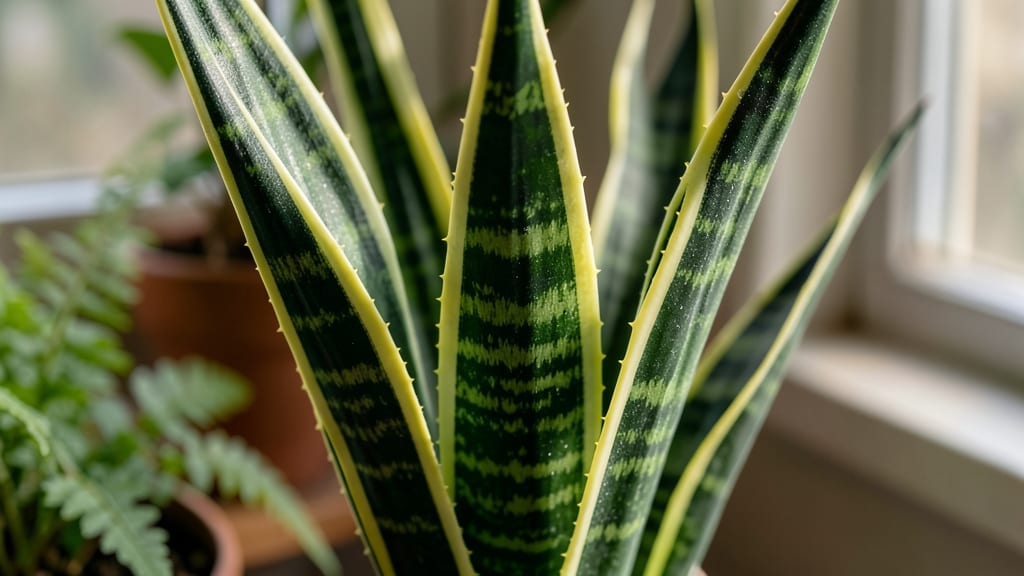
If you're wondering how tall your snake plant 🌱 will grow, the answer might surprise you—especially when comparing indoor and outdoor conditions.
This hardy plant can stay compact indoors, typically reaching just 1 to 4 feet, while outdoor varieties can stretch dramatically taller, sometimes even 6 to 10 feet under ideal conditions.
What makes this difference? Light exposure, pot size, and even your plant's variety play a huge role. For example, the 'Laurentii' variety tends to grow taller than the 'Hahnii', which stays shorter and bushier. The key is understanding how your snake plant's environment influences its growth habits.
Whether you're dealing with a snake plant that's growing too fast or one that's barely budging, I'll break down the factors that control its height. You'll learn how to manage its growth—whether you want to encourage a lush, full look or keep it at a manageable size for your space.
Ready to find out how to nurture your snake plant for the perfect height? Let’s dive into the details so you can give your plant exactly what it needs to thrive.


Average snake plant height: indoor growth limits and factors
If you’re growing a snake plant (Sansevieria trifasciata) indoors, expect its height to stay between 1 and 4 feet at maturity. This compact size makes it perfect for apartments or offices, but the exact height depends on light exposure, pot size, and variety.
For example, the 'Futura Superba' variety typically stays shorter (1-2 feet), while 'Laurentii' can reach up to 4 feet with proper care.
Snake plants grow slowly—about 2-4 inches per year—so don’t expect rapid vertical growth. Their upright, sword-like leaves grow from a thick rhizome, and the plant’s height is directly tied to how much light it receives.
Low light slows growth, while bright indirect light encourages taller, fuller leaves. A south-facing window with filtered sunlight is ideal for maximizing height without risking leaf scorch.
Pot size also plays a role in height regulation. When roots are root-bound, the plant focuses energy on leaf growth, potentially reaching its maximum height faster. However, overpotting can lead to leggy, stretched-out leaves as the plant searches for light.
Aim for a pot that’s only 1-2 inches wider than the plant’s root ball to maintain a balanced shape.
Here’s a quick reference for indoor snake plant height expectations based on care conditions:
| Condition | Height Range (ft) | Growth Rate |
|---|---|---|
| Low Light (e.g., north window) | 1-2 ft | Slow (1-2 in/year) |
| Bright Indirect Light (e.g., east/west window) | 2-3 ft | Moderate (2-4 in/year) |
| Direct Sun (e.g., south window, filtered) | 3-4 ft | Fast (3-5 in/year) |
| Root-Bound (small pot) | 2-3 ft | Balanced (2-3 in/year) |
| Overpotted (large pot) | 1-2 ft (leggy) | Slow (1-2 in/year) |
Variety also influences height. Dwarf varieties like 'Hahnii' (also called "Bird’s Nest") stay under 2 feet tall but spread wider, while standard types like 'Twisted' or 'Golden Hahnii' can reach 3-4 feet.
If you’re growing a variegated snake plant, expect slightly slower growth due to the extra energy required to produce patterned leaves.
One common misconception is that snake plants grow taller when watered more frequently. In reality, overwatering stunts growth by causing root rot, which weakens the plant’s ability to support upright leaves. Stick to watering every 2-4 weeks and let the soil dry out completely between sessions.
A moisture meter or the "finger test" (inserting your finger 2 inches into the soil) works best for monitoring.
To encourage upward growth, rotate your snake plant quarter-turns every 2-3 months. This ensures even light exposure, preventing the plant from leaning toward a single light source.
Avoid placing it in drafty areas or near heating/cooling vents, as temperature fluctuations can stress the plant and slow its growth rate.
If your snake plant starts to flop or lean, it’s a sign it needs support. Use a small stake or bamboo pole inserted near the base to prop up taller varieties like 'Laurentii'. This won’t affect height but helps maintain an upright, aesthetic shape—especially useful for display purposes.
Remember, snake plants are low-maintenance and thrive on neglect, but their height is entirely manageable with the right conditions. With bright indirect light, proper pot size, and minimal watering, you’ll coax your plant to reach its full, healthy height without overcrowding your space.
🌱
Outdoor snake plant growth: why they can reach 6-10 feet tall
When you move your snake plant outdoors, it transforms from a modest houseplant into a striking architectural feature. In ideal conditions, these hardy plants can grow 6 to 10 feet tall, with some varieties stretching even taller.
The key difference? Outdoor environments provide unlimited space, natural sunlight, and seasonal growth cycles that indoor setups simply can't match.
Outdoor snake plants thrive in USDA Zones 9-11, where they enjoy warm temperatures and minimal frost risk. Even in cooler zones, they can survive outdoors year-round if protected from freezing temperatures.
The soil quality and humidity levels also play a huge role—well-draining, sandy soil mimics their native African habitat and encourages faster, healthier growth.
One of the biggest misconceptions is that outdoor snake plants grow uncontrollably. While they can reach impressive heights, their growth rate slows during dormant seasons (fall/winter) and accelerates in spring and summer.
With proper care, you can guide their growth to maintain a manageable size while still enjoying their dramatic foliage.
⚠️ Common Mistakes That Stunt Outdoor Snake Plant Growth
- Overwatering: Outdoor plants need less frequent watering than indoor ones. Water only when the top 4-6 inches of soil are completely dry.
- Poor drainage: Use raised beds or amend clay soil with sand or perlite to prevent root rot.
- Shade placement: While they tolerate shade, partial sun (4-6 hours/day) maximizes growth and variegation.
- Ignoring pests: Outdoor plants attract snails, slugs, and spider mites—inspect leaves regularly.
🌱 Pro Tip: Mulch around the base to retain moisture and regulate soil temperature.
Another factor that boosts outdoor growth is natural pollination. While snake plants don’t produce flowers in cultivation, their runners (pups) spread more aggressively outside, creating dense clumps.
If you want to control their spread, divide the clumps every 2-3 years to maintain a tidy appearance while still enjoying their rapid growth.
For those in cooler climates, consider growing snake plants in large containers that you can move indoors during winter. Even a 12-inch pot can support a 3-4 foot plant if given enough sunlight.
The trade-off? Container-grown plants grow slightly slower than in-ground specimens, but they’re far easier to protect from frost.
If you’re aiming for a taller snake plant, focus on well-draining soil, bright indirect light, and minimal interference. With these conditions met, your outdoor snake plant could easily reach 7-8 feet in just 3-5 years—making it a stunning vertical accent in any garden.