
Plants
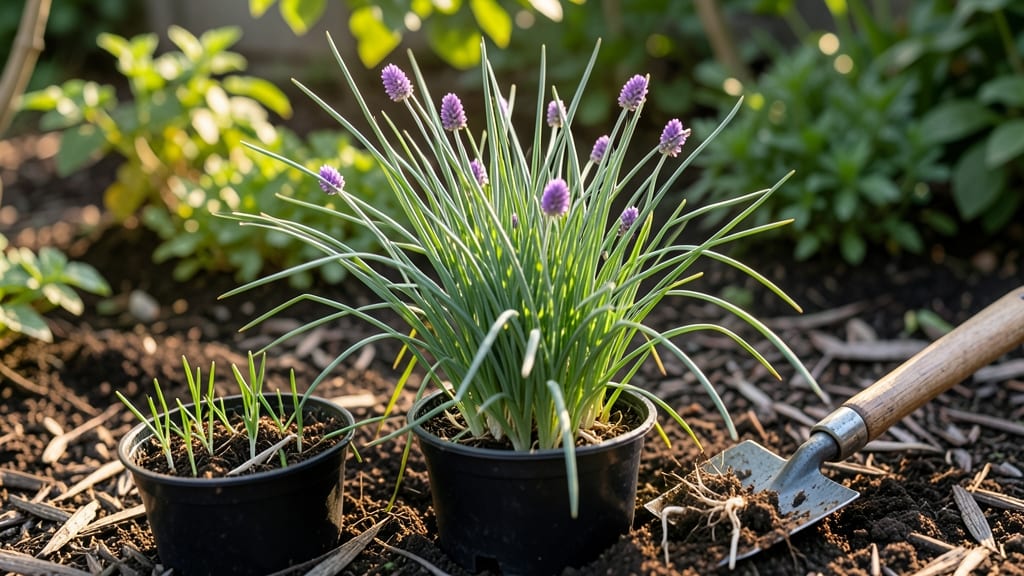
If you’ve ever watched your chives wilt under Texas’s brutal sun or bolt before they even get established, you know when to plant chives in Texas isn’t just a suggestion—it’s survival mode.
The Lone Star State’s 8a-11 zones throw curveballs with scorching summers and unpredictable winters, but chives (🌿) can thrive if you time it right.
Most gardeners assume spring is the only window, but Texas’s mild winters actually give you a year-round advantage—if you play it smart. Plant too early, and your chives will stretch toward the sky like they’re reaching for shade; too late, and they’ll struggle to root before the heat hits.
The secret? Staggered plantings in fall or early spring, when temperatures cooperate.
I’ll break down the exact month-by-month timeline for your region—whether you’re battling North Texas freezes or South Texas humidity—plus how to keep your chives producing fresh 🌿 greens from March through November. No more guesswork, just a foolproof plan for Texas-tough chives.
Ready to turn your yard into a perpetual herb garden? Let’s dive into the heat-zone hacks that’ll keep your chives happy, no matter what Texas throws at them.
Optimal Texas chive planting windows by heat Zone (avoid these deadly mistakes)
Texas gardeners face a unique challenge with chives: the state’s 11 heat zones create wildly different frost dates and growing seasons.
In North Texas (Zone 8a), you’ll need to plant 6-8 weeks before the last frost (typically by February 15), while South Texas (Zone 10a) allows year-round planting with minimal frost risk.
The key is aligning your planting with your specific heat zone to avoid bolting or winter die-off.
I’ve planted chives in both North and South Texas, and the difference is night-and-day. In Zone 8a, my fall-planted chives survived winter with minimal protection, while my Zone 10a plants grew perennially with almost no care.
The mistake? Assuming one strategy fits all. Texas’ microclimates mean your neighbor’s perfect timing might fail in your yard.
Here’s the heat-zone breakdown you need to avoid costly mistakes:
| Heat Zone | Last Frost | First Frost | Best Planting Window | Critical Avoid |
|---|---|---|---|---|
| 8a (North TX) | Feb 15 | Dec 1 | Sep 1 - Oct 15 Mar 1 - Apr 15 |
May - Aug (peak heat) |
| 9a (Central TX) | Jan 31 | Nov 15 | Aug 15 - Sep 30 Feb 1 - Mar 15 |
Jun - Jul (extreme heat) |
| 10a (South TX) | Jan 1 | Nov 1 | Year-round (best Sep - Mar) | None (adjust for heat) |
| 11 (Far South TX) | None | None | Year-round (best Sep - Feb) | Midday sun in summer |
For North Texas gardeners, focus on fall planting (September-October) to establish roots before winter. I’ve found that chives planted in late summer often bolt prematurely due to residual heat, so aim for 60-70°F soil temps for best results.
In Central Texas, you’ve got a second chance in early spring (February-March), but don’t wait past March 15 or your plants may struggle with summer heat stress.
South Texas gardeners have the advantage of perennial growth, but even here, summer planting requires shade. I once planted chives in full Houston sun in July—they survived but were stunted and bitter.
The fix? Use 50% shade cloth during peak afternoon heat (2 PM - 6 PM) to protect tender new growth.
Pro tip: Use Texas A&M’s interactive frost map to pinpoint your exact last frost date.
For most of East Texas (Zone 8b), this falls around February 28, giving you until January 15 for fall planting. West Texas (Zone 8a) is even more critical—plant by October 31 or risk winter kill.
One common mistake I see? Planting chives too close to winter. If you wait until November in North Texas, your plants won’t establish enough roots to survive 20°F nights. The solution? Start seeds indoors in September for a 4-6 week head start before transplanting.
For year-round harvests, I recommend staggered planting: one batch in early fall, another in late winter, and a third in early spring. This ensures you always have fresh chives from March through November, even in Texas’ harshest summers.
Remember: Chives are hardy perennials, but Texas’ extreme temperature swings demand precision. Get the timing right, and you’ll enjoy homegrown chives for years with minimal effort. 🌱
Optimal Texas chive planting windows by heat Zone (avoid these deadly mistakes)
Texas’ 11 heat zones create wildly different planting conditions—what works in El Paso (Zone 8a) will fail in Houston (Zone 9a). Chives, being hardy perennials, thrive when planted outside summer’s brutal heat but before winter’s first frost.
My North Texas garden (Zone 8a) plants chives in September-October, while my South Texas friends (Zone 9b) start in August-September to avoid summer stress.
For year-round harvests, I recommend two plantings per year: one in early spring (Feb-March) and another in late summer (Aug-Sept). This staggered approach ensures fresh chives from March through November, even in Texas’ harshest climates.
The key? Soil temperature—chives germinate best when soil is 50-70°F, which aligns with fall and spring in most Texas regions.
| Texas Heat Zone | Best Planting Window | Avoid Planting | Frost-Free Days |
|---|---|---|---|
| 8a (North Texas) | Sep 15-Oct 15 Feb 15-Mar 15 |
May-Aug (extreme heat) | 210-240 |
| 9a (Central Texas) | Aug 15-Sep 30 Jan 15-Feb 15 |
June-July (peak heat) | 240-270 |
| 10a (South Texas) | Jul 15-Aug 30 Dec 15-Jan 15 |
May-June (100°F+) | 300-330 |
| 11 (Deep South TX) | Year-round (best Aug-Sep) | None (heat-tolerant) | 330-365 |
Texas’ microclimates complicate things further. For example, Hill Country elevations (like Fredericksburg) have earlier frosts than nearby Austin, so adjust planting dates 2-3 weeks earlier. Similarly, coastal areas like Galveston stay milder, allowing year-round planting with minimal frost risk.
Always check your local frost dates—the Texas A&M AgriLife Extension provides free, region-specific data.
One common mistake is planting chives in peak summer (June-August). The 100°F+ temperatures cause bolting (premature flowering), turning your delicate herbs into bitter, woody stalks. Instead, I start seeds indoors in late May and transplant after Labor Day, giving seedlings time to acclimate before summer’s end.
For direct sowing, wait until soil temps drop below 85°F—usually mid-September in most of Texas.
Another critical tip: Mulch heavily after planting to retain moisture and regulate soil temperature. I use 2-3 inches of straw mulch, which keeps roots cool in summer and insulated in winter.
This simple step has doubled my chive survival rate in Zone 8a’s unpredictable winters. Pair this with drip irrigation to avoid overhead watering, which can spread fungal diseases in Texas’ humid summers.
Finally, leverage chives’ perennial nature—once established, they’ll regrow yearly with minimal effort. My 3-year-old chive clumps in North Texas produce harvests from March through November, even after light freezes. The secret? Protective mulch and staggered plantings ensure you’re never without fresh chives, rain or shine.