
Flowers
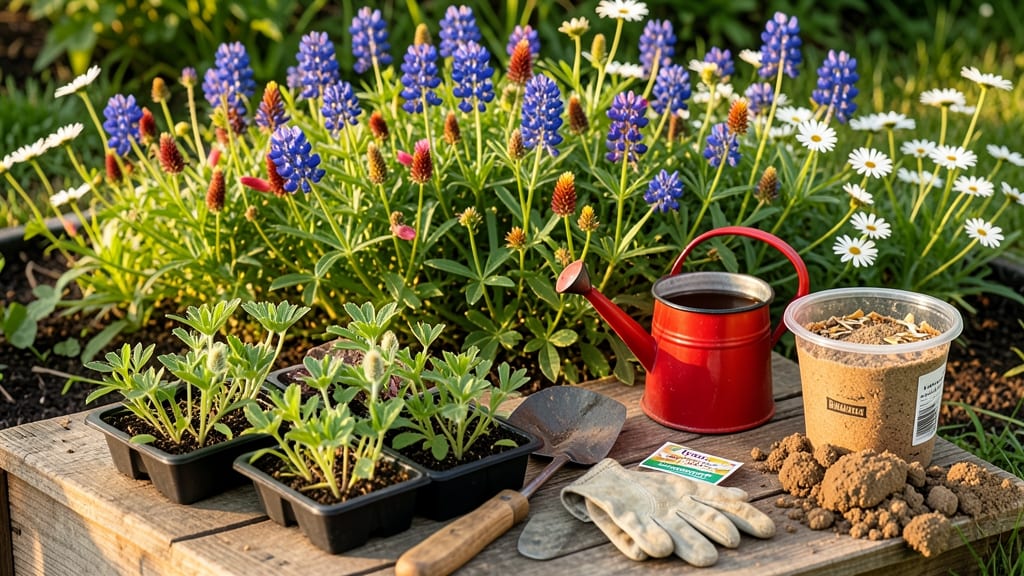
When to plant flower seeds in Texas isn’t just about following a calendar—it’s about outsmarting the heat, avoiding frost, and picking the perfect window for your 🌸 blooms to thrive. Whether you’re in frost-prone North Texas or near-tropical South Texas, planting too early risks a sudden freeze, while waiting too long means wilting under summer’s scorching sun.
I’ve gardened through Texas’ 8a-10b zones, and the key is knowing when to start seeds indoors, when to direct-sow, and which flowers can handle the extremes. Cool-season pansies and snapdragons love fall planting, while heat-lovers like zinnias and lantana beg for late-summer sowing—if you time it right.
You’ll learn the exact month-by-month schedule for your region, plus pro tips to stretch your blooming season. From shielding seedlings with shade cloth to choosing the toughest varieties, I’ll show you how to beat Texas’ unpredictable weather and grow flowers that last all year.
Ready to turn your Texas garden into a year-round paradise? Let’s dive into the heat-zone map and planting secrets that’ll make your flowers the envy of the neighborhood.
Texas flower seed planting calendar by heat zones (avoid frost & heat stress)
Texas spans USDA Zones 8a–10b, meaning frost dates and heat tolerance vary dramatically from the Panhandle to South Texas. In Zone 8a, last frost arrives by February 15, while Zone 10b gardeners enjoy frost-free winters.
To maximize blooms, align your planting with soil temperatures and heat thresholds—not just calendar months.
Cool-season flowers like pansies and snapdragons thrive when daytime temps stay below 75°F, while zinnias and lantana demand 80°F+ to flourish. Below, I’ve mapped out the ideal planting windows for Texas’ three key regions, plus pro tips to adjust for microclimates (like urban heat islands or shaded beds).
🌡️ Key Rule: Wait until soil is 60°F+ for warm-season seeds and 50°F–60°F for cool-season varieties. Use a soil thermometer—don’t guess!
For North Texas gardeners, focus on September–October planting to beat the first frost in November. Start heat-tolerant varieties like Mexican sunflowers in late July for fall color—just cover seedlings with row fabric if temps spike above 95°F.
In Central and South Texas, January is prime time for cool-season bloomers, but don’t stop there. Lantana and pentas thrive when planted in late spring (April–May), soaking up the heat. My go-to trick: sow zinnias in August under 30% shade cloth for a September–October showstopper.
Texas’ urban heat islands can add 5–10°F to soil temps, so adjust planting dates 2–3 weeks later in cities like Austin or Dallas. For example, marigolds may need to wait until mid-October in Zone 8b urban areas instead of early September.
Always check seed packet guidelines—some varieties (like nasturtiums) are frost-tolerant and can handle 32°F temps, while others (like geraniums) bolt in 80°F+ heat. 🌡️ Test soil temps with a digital thermometer for accuracy.
Need a quick reference? Bookmark this: Zone 8a–9a = September–March focus; Zone
Best flowers to plant by season in Texas (cool vs. warm season varieties)
Texas' extreme seasonal swings mean your flower choices should shift dramatically between cool-season bloomers and heat-loving powerhouses. Cool-season flowers like pansies and snapdragons thrive in fall/winter, while zinnias and lantana dominate summer. Knowing which flowers prefer which season—and when to sow them—is key to year-round color.
For cool-season flowers, aim to plant seeds 6-8 weeks before last frost (typically September-November in most of Texas). These varieties handle 50-60°F soil temps and even light frosts.
Meanwhile, warm-season flowers need soil temps above 60°F, so wait until after your last frost date (usually March-April in North Texas, February-March in Central/South).
🌸 Texas Flower Planting Guide by Season
-
🌿 Cool-Season Flowers (Fall/Winter)
When to Plant: September-November
Soil Temp: 50-60°F
Examples: Pansies, Snapdragons, Sweet Alyssum, Calendula -
☀️ Warm-Season Flowers (Spring/Summer)
When to Plant: March-April (after frost)
Soil Temp: 60°F+
Examples: Zinnias, Lantana, Marigolds, Sunflowers -
🌡️ Year-Round Winners (Heat & Frost Tolerant)
When to Plant: September (fall) or March (spring)
Examples: Petunias, Salvia, Portulaca, Dusty Miller
Pro Tip: Start heat-tolerant annuals indoors in February for earlier blooms, or direct-sow after last frost.
Some flowers, like zinnias and cosmos, are so heat-tolerant they can handle direct summer sowing in South Texas (Zones 9a-10b). These self-seeding annuals often resprout after winter rains, giving you free blooms! For perennials, plant in fall (like black-eyed Susans) to establish roots before summer heat.
If you're in North Texas (Zone 8a), prioritize early cool-season flowers like stock and sweet peas in September, then shift to warm-season bloomers by April. In South Texas (Zones 9a-10b), you can plant warm-season flowers year-round, but succession planting every 2-3 weeks ensures continuous blooms.
For container gardening, choose compact varieties like dwarf zinnias or trailing petunias. These thrive in pots and let you adjust planting times based on your microclimate. Always check seed packets for "days to maturity"—this tells you how quickly your flowers will bloom after sowing.
Remember: Texas heat stress can scorch young seedlings. Use shade cloth (30-50%) for the first 2-3 weeks after sowing warm-season flowers in spring. And if you're planting bulbs like tulips, do it in fall (October-November)—they need cool soil temps to root before summer.