
Plants
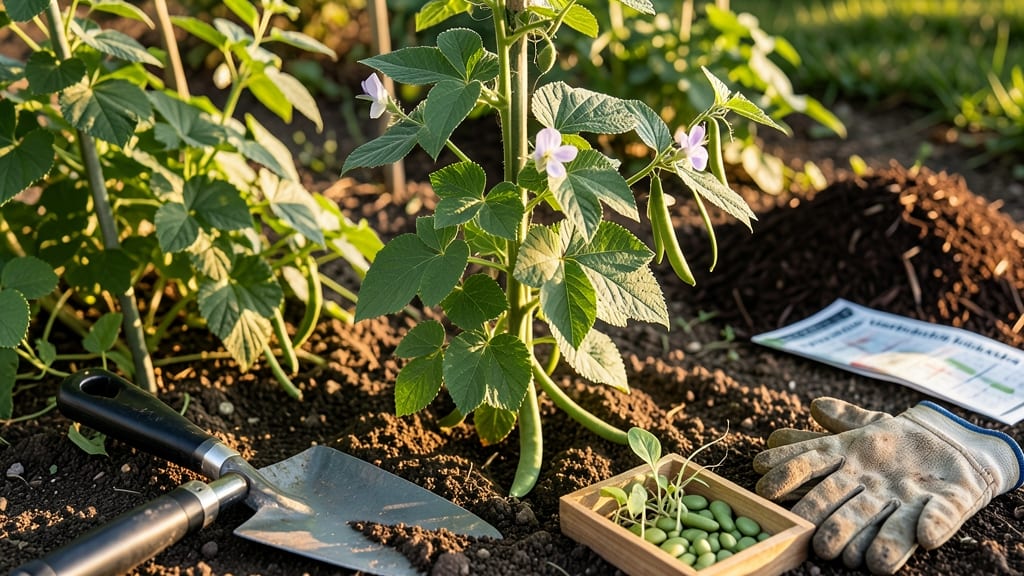
If you're wondering when to plant green beans in Zone 5, timing is everything—get it right, and you'll enjoy a bountiful harvest of crisp, fresh 🌱 pods all summer long.
Zone 5's unpredictable springs and early frosts mean planting too early or late can leave you with wilted plants or stunted yields, so knowing the exact windows is key.
Most gardeners in Zone 5a-5b plant green beans twice a year: once in early spring (April 15–June 1) and again in late summer (July 15–August 15).
This two-pronged approach ensures a steady supply from June through October, whether you prefer bush beans or pole varieties that climb and produce for weeks.
The secret to success lies in waiting until after the last frost—typically around May 15—and ensuring soil temperatures hit at least 60°F for germination. But don't worry if your spring is unusually chilly; I'll show you how to adjust your planting schedule without sacrificing your harvest.
Ready to grow the best green beans your Zone 5 garden has ever seen? Let's dive into the exact dates, soil prep tips, and variety recommendations that will transform your backyard into a bean-producing powerhouse.
Zone 5 green bean planting dates: exact last frost timing for peak harvests
Timing your green bean planting in Zone 5 is all about beating the last frost date—typically between April 15 and May 15, depending on your exact location.
The 100-day growing season for most varieties means you’ll want to plant early enough for a summer harvest before fall frosts arrive around October 1. My experience shows that planting too early risks frost damage, while waiting too long can lead to stunted growth.
For bush beans, which mature faster, I recommend starting 2-3 weeks after your last frost date—usually around May 1. Pole beans, which take longer to produce, benefit from an earlier start, often around April 20 if you’re using frost cloth.
The key is ensuring soil temperatures reach at least 60°F for reliable germination.
Don’t overlook the late-summer planting window (July 15–August 15) for a second harvest. This works especially well for heat-tolerant varieties like 'Contender' or 'Blue Lake,' which can handle the warmer Zone 5 summers. Just be sure to plant these varieties early enough to harvest before the first frost.
Here’s a quick reference for your planting schedule based on average Zone 5 frost dates:
| Planting Window | Variety Type | Soil Temp Requirement | Harvest Window |
|---|---|---|---|
| April 20–May 1 | Pole Beans | 60°F+ | July–September |
| May 1–May 15 | Bush Beans | 55°F+ | June–August |
| July 15–August 15 | Heat-Tolerant Varieties | 65°F+ | August–October |
If you’re in the northern part of Zone 5 (like Zone 5a), aim for May 10 as your cutoff for spring planting, while southern Zone 5b gardeners can push to April 25.
Always check your local frost date averages—a quick online search for your city’s USDA Plant Hardiness Zone map will give you precise dates.
For succession planting, I plant a second batch of bush beans every 2 weeks from May through June. This ensures a steady harvest instead of one big crop.
Pole beans, which take longer to establish, only need one planting per season, but their longer harvest window (up to 3 months) makes them worth the extra effort.
One mistake I’ve seen new gardeners make is planting green beans too close to the last frost. Even if the air warms up, the soil may still be too cold for seeds to germinate.
Always use a soil thermometer to confirm temperatures are ideal—60°F or higher for most varieties.
Pro tip: If you’re worried about late frosts, use row covers or black plastic mulch to warm the soil faster. I’ve found that mulching raises soil temperatures by 5–10°F, which can shave a week off your planting timeline in cooler springs.
Finally, remember that green beans are sensitive to heat stress once they start flowering. Planting too late in the season can lead to poor pod development. For a second harvest, stick to heat-tolerant varieties and plant by August 1 to avoid this issue.
Best green bean varieties for Zone 5 and their ideal planting times
Choosing the right green bean variety for Zone 5 is just as important as timing. Some varieties thrive in early spring while others handle late summer heat better.
For example, Blue Lake and Kentucky Wonder are classic bush beans that perform well in cooler temperatures, while Contender and Mascotte are heat-tolerant pole varieties for late-season planting.
Pole varieties like Rattlesnake or Blue Lake Pole take up less garden space but need trellises or stakes. Bush varieties like Tendercrop or Derby produce faster but require more space between plants.
My personal favorite for Zone 5 is Blue Lake Bush—it’s reliable, productive, and handles our unpredictable springs well.
Here’s how planting times differ by variety in Zone 5:
| Variety | Type | Best Planting Window | Days to Harvest |
|---|---|---|---|
| Blue Lake | Bush | April 20–May 15 | 50–55 days |
| Kentucky Wonder | Pole | May 1–June 1 | 55–60 days |
| Contender | Pole | July 15–August 1 | 50–55 days |
| Tendercrop | Bush | April 20–May 15 | 45–50 days |
For late-season success, opt for heat-tolerant varieties like Mascotte or Blue Lake Pole. These handle Zone 5’s hot July and August temperatures better than traditional types.
If you’re planting in fall, stick to short-season varieties like Blue Lake Bush and sow seeds by August 1 for a late harvest before frost.
Pro tip: If you love fresh green beans all season, plant two varieties—one early (like Tendercrop) and one late (like Contender). This gives you harvests from June through September without gaps. Just be sure to rotate planting spots to prevent soil-borne diseases.
Always check seed packets for days to maturity and adjust planting dates based on your last frost date. In Zone 5, late May is your cutoff for early plantings—any later, and you risk bolting or poor germination.