
Trees
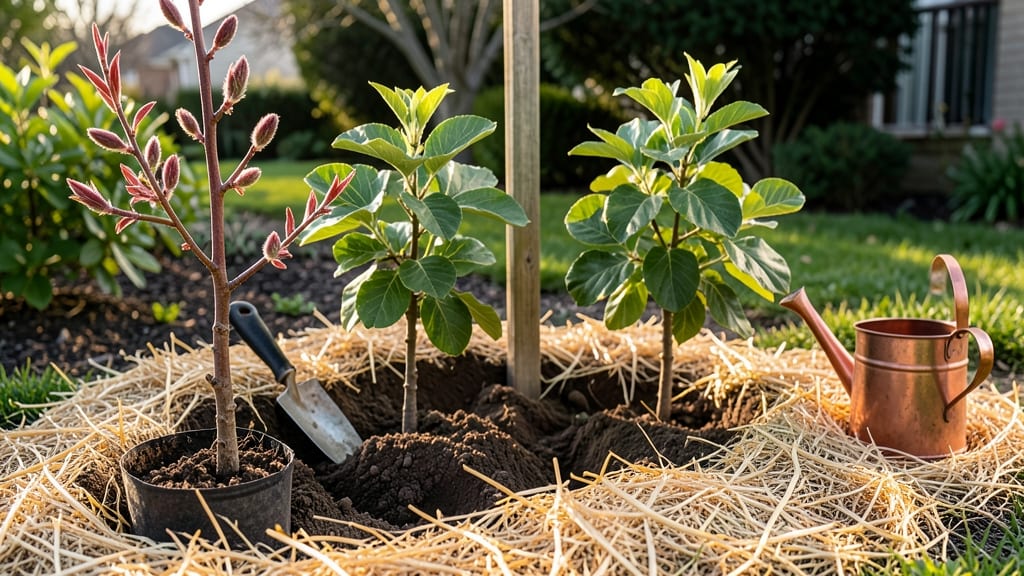
Timing your fruit trees 🍎 planting in Northern California wrong could mean the difference between a bountiful harvest and years of frustration—especially with our tricky frost dates and chill-hour needs.
The 8a-9b zones here demand precision, where coastal fog delays and inland frosts create wildly different deadlines for the same variety.
Most gardeners assume late winter is the only window, but container-grown trees actually give you flexibility year-round—except during extreme heat or cold snaps. I’ll break down exactly when to plant each type, from citrus that barely needs winter chill to stone fruits that crave 500+ hours of cold.
You’ll also learn how to adjust for your microclimate—whether you’re in the Bay Area’s fog belt or the Central Valley’s frost-prone plains. No more guessing games about whether your March planting will survive December’s first freeze.
Let’s dive into the science-backed schedule that’ll have your trees thriving, not struggling, by next harvest season.
Northern California fruit tree planting calendar: month-by-month deadlines by chill-hour zone
Northern California's diverse microclimates create unique challenges for fruit tree planting. The Bay Area's coastal fog delays spring warming, while the Central Valley's heat can scorch young trees if planted too early. Understanding your chill-hour zone (300-500 for low-chill, 500-800 for medium, 800+ for high-chill varieties) determines your planting window.
Most bare-root fruit trees should go in the ground 2-3 months before your area's average last frost date. In USDA Zones 8a-9b, this typically means February through early April, but coastal areas like San Francisco can plant as late as March 15 due to delayed warming.
For container-grown trees, you have more flexibility—planting is possible year-round, but avoid extreme heat (July-August) or winter frosts (December-January). These trees establish roots faster, making them ideal for urban gardens or microclimate adjustments.
Here’s how to align your planting with Northern California’s frost-free deadlines and chill-hour requirements:
| Region | Avg. Last Frost | Best Planting Window | Low-Chill Varieties | High-Chill Varieties |
|---|---|---|---|---|
| Bay Area (San Francisco) | March 15 | Feb 15 - Mar 15 | Peaches, Plums, Figs | Apples, Pears (risky) |
| Sacramento Valley | February 1 | Jan 15 - Feb 15 | Nectarines, Apricots | Cherries, Plums |
| Sierra Foothills | April 1 | Mar 1 - Mar 31 | Figs, Pomegranates | Apples, Pears |
If you’re planting citrus trees, timing shifts entirely—these zero-chill varieties thrive when planted year-round, but spring (March-May) is ideal to avoid summer heat stress. For stone fruits, prioritize low-chill varieties like Santa Rosa Plums (300-400 hours) to avoid bloom failure in mild winters.
Pro tip: Use local nurseries' chill-hour data to verify varieties. For example, Sierra Gold Peaches need 500-600 chill hours, while Elberta Peaches require 800+ hours. Planting the wrong variety in your zone means no fruit—even if the tree survives.
Soil prep is just as critical as timing. Amend your planting hole with compost and a balanced fertilizer (10-10-10) to kickstart root growth. In clay-heavy soils (common in the Central Valley), add sand or gravel to improve drainage and prevent root rot.
For urban gardeners, container planting extends your window. Use large pots (15+ gallons) with drainage holes and plant dwarf varieties like Semi-Dwarf Peach Trees. These can go in late winter or early spring, just like ground-planted trees, but avoid direct afternoon sun in summer.
Remember: Frost dates are averages. Monitor local weather forecasts and be ready to protect young trees with frost cloths if late frosts hit. In 2021, a March frost in the Bay Area damaged early-blooming almond trees—a reminder that timing is everything.
🌱
Best low-chill fruit trees for Northern California: varieties that thrive without winter dormancy
Northern California’s mild winters make low-chill fruit trees the perfect choice for gardeners who want reliable harvests without worrying about frost damage. These varieties thrive with 300-500 chill hours, fitting our region’s USDA Zones 8a-9b.
Whether you’re in the Bay Area, Sacramento, or the Sierra foothills, these trees adapt well to urban gardens, containers, and microclimates.
Low-chill varieties are ideal because they skip dormancy and produce fruit even in our warmer winters. This means fewer risks of late frosts ruining your crop. Plus, they often fruit earlier in the season, giving you a head start on harvests.
My top picks include plums, peaches, nectarines, and figs, all of which handle our region’s unpredictable frost patterns better than traditional varieties.
- Santa Rosa Plum – 300-400 chill hours, self-pollinating, drought-tolerant
- Flamecrest Peach – 300-400 chill hours, early bloomer, great for containers
- Fantasia Nectarine – 350-450 chill hours, disease-resistant, sweet flavor
- Desert King Fig – 200-300 chill hours, heat-loving, no winter dormancy needed
- Satsuma Mandarin – 200-300 chill hours, cold-hardy citrus, thrives in containers
💡 Pro Tip: For urban gardens, choose dwarf varieties like Bonanza Peach or Improved Meyer Lemon to save space.
When planting these trees, timing is key. Aim for late winter to early spring (February-March) to avoid late frosts that can damage blossoms. If you’re in a coastal microclimate, like San Francisco, you can plant even later—sometimes as late as April—because the ocean moderates temperatures.
Inland areas, like Sacramento, should stick to the earlier window to ensure roots establish before summer heat arrives.
For container growing, low-chill trees are a game-changer. Varieties like Satsuma mandarins and Desert King figs thrive in large pots, making them perfect for patios or balconies. Just ensure your container has drainage holes and use a well-draining potting mix to prevent root rot.
I’ve seen 5-gallon containers work for dwarf varieties, while standard trees need 15-gallon or larger pots.
One common mistake is assuming all fruit trees need full sun. While 6+ hours of sunlight is ideal, some low-chill varieties, like figs, tolerate partial shade, especially in hot inland areas.
If you’re in a shadier microclimate, opt for plums or nectarines, which handle lighter conditions better than peaches or citrus. Always match your tree to your garden’s sunlight conditions for the best results.
Finally, don’t overlook soil preparation. Northern California’s clay-heavy soils can be challenging, so amend with compost and organic matter to improve drainage. A slightly acidic to neutral pH (6.0-7.0) works best for most low-chill trees.
If your soil is too alkaline, add sulfur or peat moss to adjust it before planting. With the right variety and care, your low-chill fruit tree can become a reliable producer for years to come.
🌿