
Plants
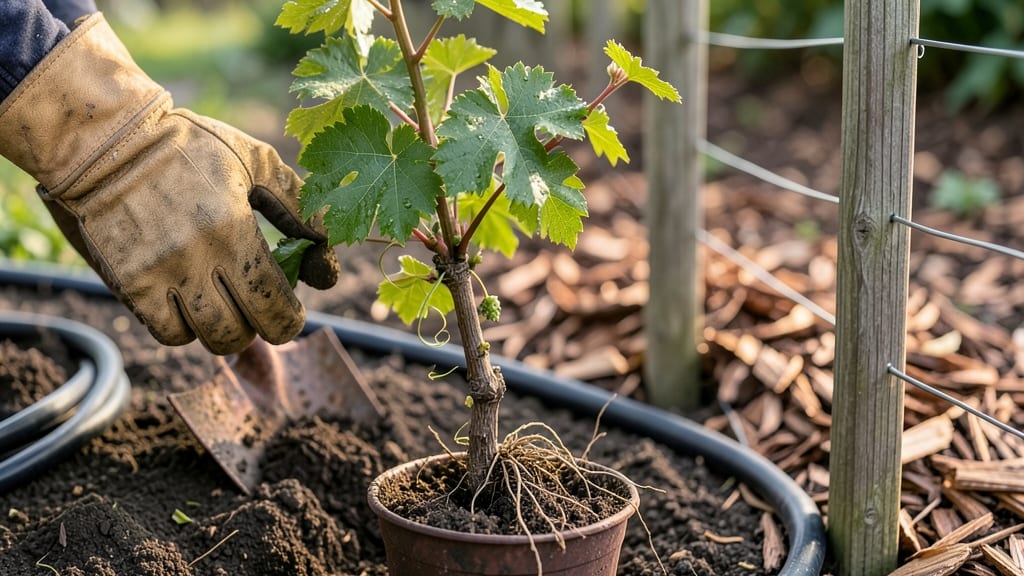
If you're dreaming of lush 🍇 grape vines heavy with sweet fruit in your Texas garden, when to plant grape vines in Texas is the key to success.
Planting your grape vines at the wrong time means battling frost damage or struggling through scorching summer heat—neither of which helps your vines thrive. But with the right chill-hour varieties and planting strategy, you can beat Texas's unpredictable climate and enjoy a reliable harvest every year.
Texas gardeners know the stakes: plant too early in North Texas, and a late frost could wipe out your young vines. Plant too late in South Texas, and your grapes might never ripen before the summer heat sets in.
The solution? Understanding your region's chill-hour needs and choosing the perfect planting window—whether it's late winter or fall—so your grape vines get the strong start they deserve.
In this guide, I’ll break down the best months to plant grape vines across Texas, from the chillier zones of 8a to the warmer 10b regions.
You’ll discover which varieties thrive in your area, how to prep your soil for maximum growth, and the simple steps to keep your vines healthy through Texas’s extreme seasons. Let’s get those roots in the ground at the right time!
Whether you're a first-time gardener or a seasoned grower, these insights will help you avoid common mistakes and set your grape vines up for a bountiful harvest. Ready to turn your backyard into a grape-growing oasis? Let’s dive in.
Best planting months in Texas based on chill-hour requirements
Texas’ diverse climate zones (from North Texas’ 8a to South Texas’ 10b) mean grape vines need different chill-hour varieties and planting windows. In North Texas, where frost dates run from late February to December, dormant vines should go in the ground by March 15 to avoid spring freezes.
Meanwhile, Central Texas (9a) gardeners have until April 1, while South Texas (10a-10b) can plant year-round—but fall planting (September-October) is ideal to establish roots before summer heat.
Chill hours (the number of hours below 45°F a plant needs to fruit) dictate your grape variety choices. Muscadines (0-300 chill hours) thrive in South Texas, while Cynthiana (Norton) (600-800 chill hours) works best in North Texas. Alachua (400-500 chill hours) bridges the gap for Central Texas.
Planting at the right time ensures your vines break dormancy when soil temps hit 60°F+, preventing transplant shock.
Here’s how Texas’ three main regions align with planting windows and chill-hour needs:
| Region | USDA Zone | Best Planting Window | Chill-Hour Needs | Soil Temp Goal |
|---|---|---|---|---|
| North Texas | 8a-8b | Feb 15–Mar 15 | 600–800+ | 60°F+ |
| Central Texas | 9a-9b | Mar 1–Apr 1 | 400–600 | 65°F+ |
| South Texas | 10a-10b | Sep 15–Oct 15 (fall) or Jan 15–Feb 15 (winter) | 0–300 | 70°F+ |
For North Texas, late winter planting (February) gives vines time to root before spring rains and summer heat.
In Central Texas, March-April avoids both late frosts and 100°F+ summers. South Texas gardeners should plant in fall (September-October) to beat the heat and establish roots before winter dormancy. Bare-root vines are best for all regions—they’re hardier and root faster than potted plants.
Pro tip: Test your soil’s chill hours by using a chill-hour calculator (like the one from Texas A&M AgriLife) or ask your local county extension office. This ensures you pick a variety that matches your microclimate.
For example, Black Spanish (300-400 chill hours) might struggle in North Texas but thrive in Central Texas.
Once you’ve chosen your planting window, prepare the soil 2-3 weeks ahead. Amend with compost and sand (if clay-heavy) to improve drainage, since waterlogged roots lead to root rot.
Plant on a slight slope or mound to prevent puddling during Texas’ sudden downpours. A trellis system installed at planting will save you months of work later.
After planting, mulch heavily (3-4 inches of straw or wood chips) to retain moisture and regulate soil temps. In North Texas, this protects young vines from late frosts in March. In South Texas, mulch keeps roots cool during 110°F+ summers.
Water deeply 2-3 times per week for the first month, then tapering to weekly once established. Avoid overhead watering, which spreads fungal diseases like powdery mildew—a common issue in Texas’ humid summers.
Timing your gra
Best planting months in Texas based on chill-hour requirements
Texas’s diverse climate—from North Texas’s chilly winters to South Texas’s mild frosts—means grape vines need precise timing. Chill-hour requirements (hours below 45°F) determine when to plant. Northern Texas (USDA Zones 8a-8b) gets 500-1,000 chill hours, while Southern Texas (Zones 9a-10b) sees 0-300 chill hours.
Planting too early risks frost damage; too late, and vines won’t establish roots before summer’s heat.
For Northern Texas, aim for late February to early March when soil warms to 60°F+. Central Texas (Zones 8b-9a) thrives with September-October planting to avoid summer stress. South Texas (Zones 9b-10b) can plant year-round, but fall (September-November) is ideal for root establishment before winter rains.
Always check your local last frost date—North Texas averages February 15, while South Texas rarely sees frost.
| Texas Region | USDA Zone | Chill Hours | Best Planting Month | Soil Temp Goal |
|---|---|---|---|---|
| North Texas | 8a-8b | 500-1,000 | Late Feb-Early Mar | 60°F+ |
| Central Texas | 8b-9a | 300-500 | Sep-Oct | 65°F+ |
| South Texas | 9b-10b | 0-300 | Sep-Nov | 70°F+ |
Choosing the right planting window depends on your grape variety. High-chill varieties (e.g., Cabernet Sauvignon) need 800+ chill hours and thrive in North Texas’s cooler winters. Low-chill varieties (e.g., Muscadine) flourish in South Texas with 0-300 chill hours.
For Central Texas, moderate-chill varieties (e.g., Cynthiana) with 400-600 chill hours are perfect. Always match your variety to your region’s chill hours to ensure bud break and fruiting.
After selecting your planting month, prepare the soil by amending it with compost and organic matter to improve drainage. Well-draining soil is critical—grape vines hate soggy roots. In North Texas, plant on a south-facing slope to capture warmth.
In South Texas, use mulch to retain moisture during scorching summers. Water deeply after planting to encourage root growth, and avoid fertilizing until new leaves appear—this prevents burning tender roots.
Timing isn’t just about months—it’s about soil temperature. Use a soil thermometer to confirm the ground is 60°F+ before planting. In North Texas, wait until after the last frost (usually mid-February). In South Texas, plant before summer’s heat peaks (by late September).
Pro tip: Bare-root vines establish faster than potted ones, so order them in advance and store them in a cool, dark place until planting day.
Once planted, prune vines aggressively in late winter to shape them and remove dead wood. This encourages fruit production and improves airflow, reducing disease risk. In South Texas, where winters are mild, prune in early spring to avoid late-season frost damage.
Mulch heavily around the base to retain moisture and regulate soil temperature. With the right timing and care, your grape vines will reward you with bountiful harvests for years to come.
Don’t let Texas’s extremes fool you—with the right chill-hour match and planting strategy, you can grow grapes successfully anywhere in the state. Start with local nursery varieties, monitor soil temps, and adjust your schedule based on your microclimate. Happy planting! 🍇